

Categories
Personal Protective Equipment (PPE) Checklist for the Workplace
Personal protective equipment (PPE) is the last line of defence against workplace hazards, it must suit the risk, fit correctly and stay in good working condition. A good checklist covers both choosing suitable PPE and monitoring it in use.
This guide covers the main types of PPE head to toe, UK employer responsibilities, and an inspection checklist for your workforce. For PPE to provide proper protection, check that it is:
- Suitable for the hazard and the work being carried out
- The correct size and fit for the wearer
- Compatible with other PPE being worn
- UKCA or CE marked where required
- Cared for according to the manufacturer’s instructions
- Checked before use and inspected when required
- Taken out of service when damage could affect its performance
What Is Personal Protective Equipment (PPE)?
Personal protective equipment (PPE) is equipment worn or held by a worker to reduce their exposure to a workplace health or safety risk that can’t be adequately controlled in another way. It sits between the worker and the remaining hazard, which is why PPE is generally considered the last line of defence.
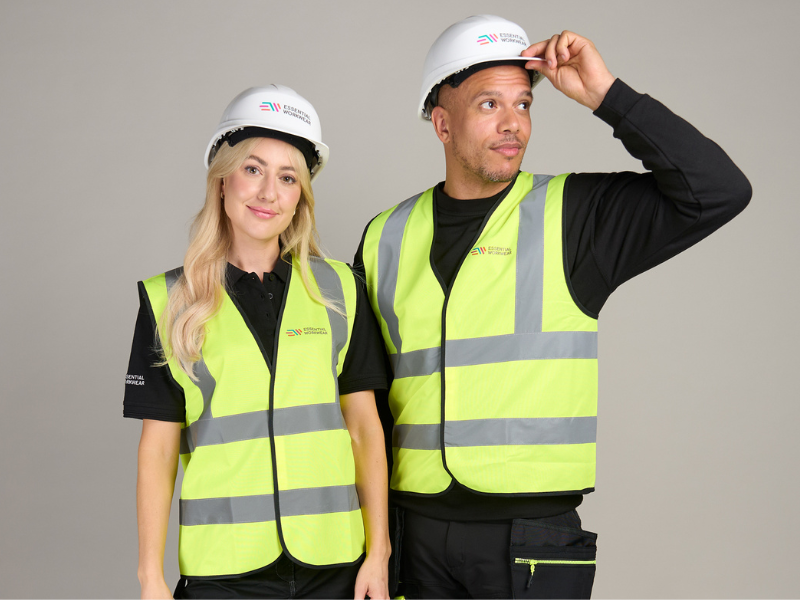
Hard hats and safety boots are probably the first things that come to mind, but PPE covers a much wider range of equipment. Hi-vis vests are PPE when visibility is a safety requirement. Gloves can be PPE when they’re selected to protect against a particular hazard. The same applies to hearing protection, RPE and specialist protective clothing.
The key point is that simply wearing something protective doesn’t automatically make it suitable for PPE. It needs to provide the right type and level of protection for the risk identified.
What Counts as PPE?
PPE is equipment specifically intended to protect the wearer against a workplace risk. Depending on the job, this could include:
- Safety helmets
- Face shields
- Ear defenders and ear plugs
- Respiratory protective equipment (RPE)
- Protective gloves
- Hi-vis clothing
- Safety footwear
- Flame-resistant clothing
- Safety harnesses and other fall-protection equipment
When we’re helping businesses choose PPE, the starting point is the risk assessment. Two employees can work for the same business and still need very different protection depending on what they’re doing.
What Doesn’t Count as PPE?
Not everything your team wears for work counts as PPE. Standard uniforms and branded workwear aren’t PPE when their purpose is simply to identify your business or give employees a consistent appearance. Everyday clothing worn for protection from normal weather conditions isn’t generally PPE either.
A useful way to tell the difference is to look at what the garment is actually there to do. If it’s protecting the wearer against a workplace health or safety risk, it’s PPE. If it’s there purely as workwear or uniform, it isn’t.
If you’re unsure whether your team uniform counts as PPE, read our guide on Uniform Classification Guide.
Is PPE a Legal Requirement in the UK?
UK employers must provide suitable PPE free of charge where a workplace risk can’t be adequately controlled by other measures. PPE is covered by the Personal Protective Equipment at Work Regulations 1992, alongside employers’ wider duties under the Health and Safety at Work etc. Act 1974.
The rules were extended by the PPE at Work (Amendment) Regulations 2022, which came into force on 6 April 2022. This brought limb (b) workers within the scope of the PPE duties, covering people working on a more casual or gig-economy basis as well as employees.
What Are an Employer’s PPE Responsibilities?
Employers are responsible for providing PPE that’s suitable for the risk and suitable for the person wearing it. Your risk assessment should tell you where PPE is needed and what protection the equipment needs to provide.
From there, think about the PPE as something you’re managing throughout its working life rather than something you simply order and hand out.
Your responsibilities include:
- Choosing PPE that provides the right protection for the identified hazard
- Checking that separate pieces of PPE can be worn together safely
- Making sure workers have the right fit and size
- Keeping PPE in good working order
- Providing appropriate storage between uses
- Making sure workers know how to wear and use their PPE correctly
- Giving workers the information they need to look after their equipment
- Replacing PPE when damage or wear means it can no longer provide the required protection
Who Pays for PPE?
Employers must provide required PPE to workers covered by the regulations free of charge. If someone needs protective equipment to carry out their work safely, you can’t require them to pay for it themselves.
This applies to employees as well as limb (b) workers who fall within the amended regulations. It also isn’t limited to the initial issue. If PPE becomes worn or damaged to the point that it no longer provides suitable protection, the worker needs appropriate replacement equipment free of charge.
Types of PPE: A Head-to-Toe Workplace Checklist
The main types of PPE protect different areas of the body against different workplace hazards. Head protection, safety footwear and everything in between needs to be matched to the risk, so there isn’t one standard PPE checklist for workplaces that will suit everyone.
If you’re ordering PPE across a team, it helps to work from head to toe. It gives you a quick way to check whether you’ve covered each area identified in your risk assessment without falling into the trap of assuming that every worker needs the same kit.
Here’s a quick head-to-toe workplace PPE checklist:
| Body area | Common hazards | Example PPE | Key standard |
| Head | Falling or flying objects, impact | Safety helmets | BS EN 397 |
| Eyes and face | Flying particles, liquid splashes | Safety glasses, goggles, face shields | BS EN ISO 16321 |
| Hearing | Harmful noise | Ear plugs, ear defenders | BS EN 352 |
| Respiratory system | Dust, fumes, gases and vapours | Masks, respirators and other RPE | Varies by RPE type |
| Hands | Cuts, abrasion, chemicals, heat | Protective gloves | BS EN ISO 21420 plus hazard-specific standards |
| Body | Low visibility | Yellow and Orange Hi-vis clothing | EN ISO 20471 |
| Feet | Impact, compression, penetration, slips | Safety footwear | EN ISO 20345:2022 |
| Specialist protection | Heat and flame | Flame-resistant clothing | Varies by hazard and garment |
Head Protection
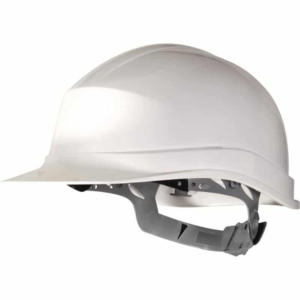
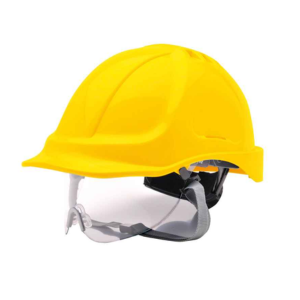
Head protection is needed where workers are at risk from falling objects or impact to the head. Industrial safety helmets commonly meet BS EN 397, but the helmet still needs to suit the specific hazard and fit the wearer correctly.
We have a full guide on HSE Hard Hat Regulations to keep you covered.

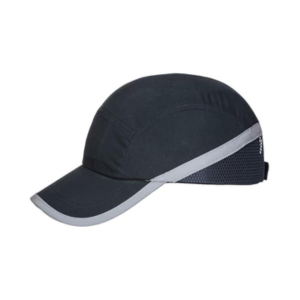
Head Protection Top Picks:
Eye and Face Protection
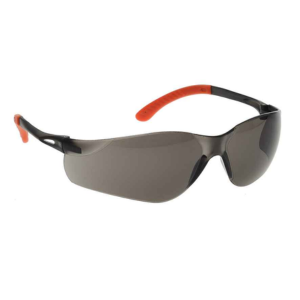
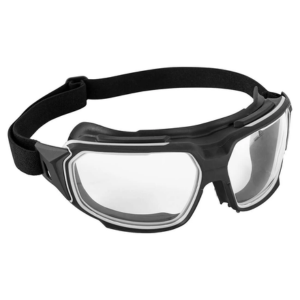
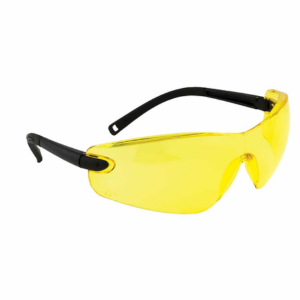
Safety glasses, goggles and face shields protect against hazards such as flying particles and liquid splashes. They’re not interchangeable, so match the type of protection to the risk rather than treating any form of eye protection as suitable.
Fit is just as practical a consideration. The PPE needs to give the required coverage without affecting visibility or interfering with other equipment.
Hearing Protection
Ear plugs and ear defenders are used to protect workers from harmful noise exposure. The right choice depends on the level of ear protection required and whether the equipment can be worn correctly throughout the job. If you’re using helmet-mounted ear defenders, check that they’re compatible with the helmet you’ve selected rather than mixing products and assuming they’ll work together.
Respiratory Protective Equipment
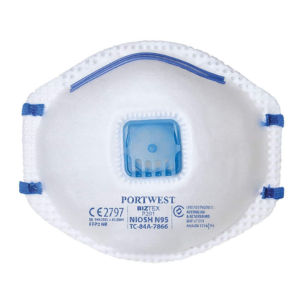
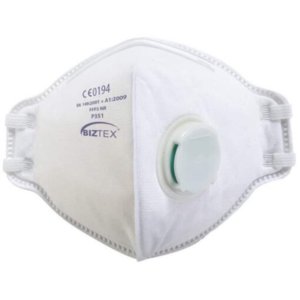
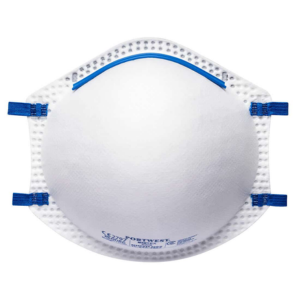
Respiratory protective equipment (RPE) protects workers from breathing in hazardous substances. The type you need depends on the hazard and the level of exposure, so a general-purpose mask won’t always provide suitable protection.
Tight-fitting RPE also relies on achieving a proper seal against the wearer’s face. Even correctly specified RPE won’t provide its intended protection if it doesn’t fit the person using it.
Hand Protection
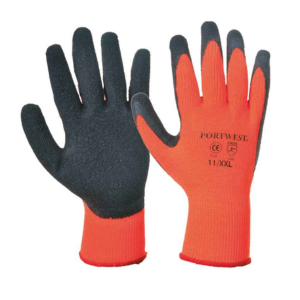
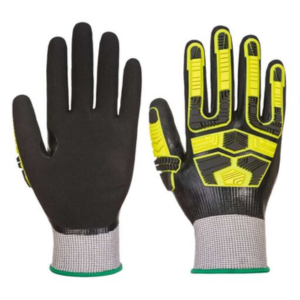
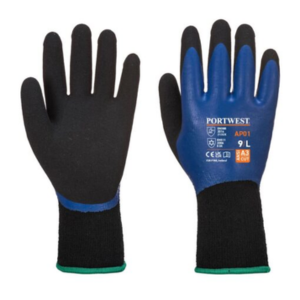
Protective gloves need to match the hazard they’re being used against. A safety glove designed for mechanical protection won’t be suitable for someone handling chemicals. Look beyond how tough a glove feels. Its protective rating needs to suit the work, while the fit should still allow the wearer to handle tools or materials safely.
Body Protection and Hi-Vis Clothing
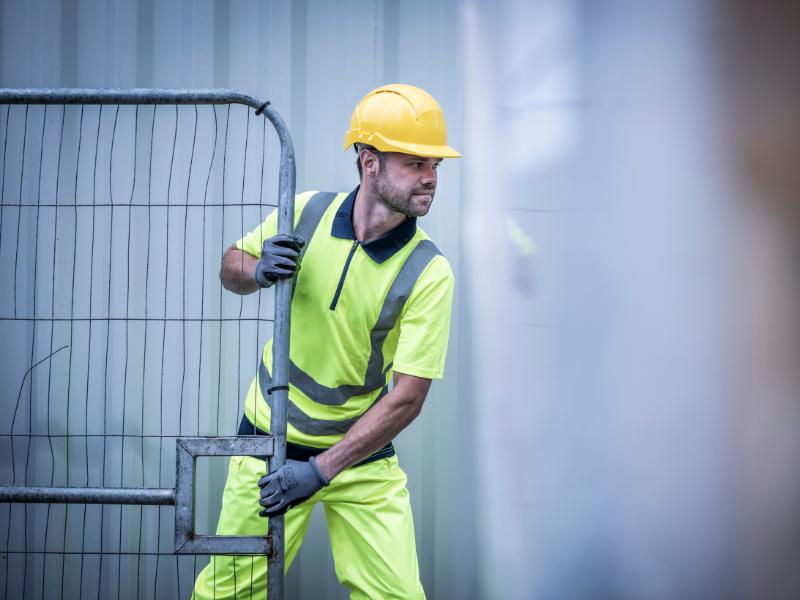
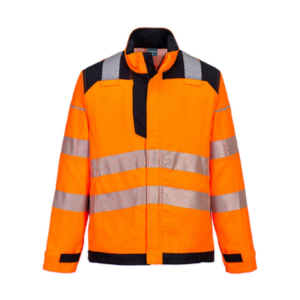
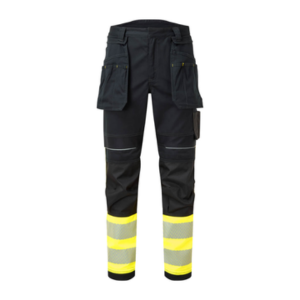
Body protection includes hi-vis workwear as well as specialist clothing designed for hazards such as heat and flame. Where visibility is the risk, certified hi-vis clothing should meet the appropriate requirements of EN ISO 20471.
Branded hi-vis can still be fully compliant. We make sure logos are positioned and applied without compromising the certified areas of the garment, so you don’t have to choose between a consistent uniform and compliant PPE.
Case Study: Enhancing Igloo Thermo Logistics Brand Identity With Branded Workwear & PPE
Safety Footwear
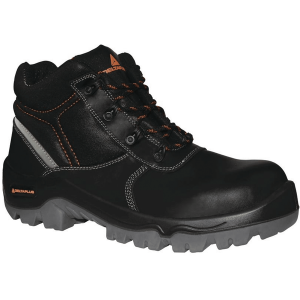
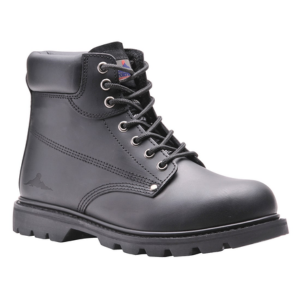
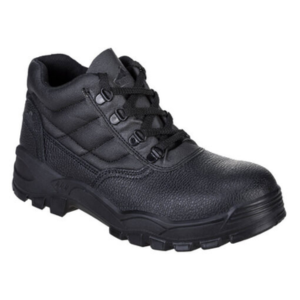
Safety footwear protects against impact and penetration. Footwear certified to EN ISO 20345:2022 uses markings to show which protective features it provides. Don’t default to one pair of safety boots across the whole workforce. Someone working outdoors will need very different footwear from an employee spending most of the day on a warehouse floor, even if both roles require safety footwear.
Specialist and Flame-Resistant PPE
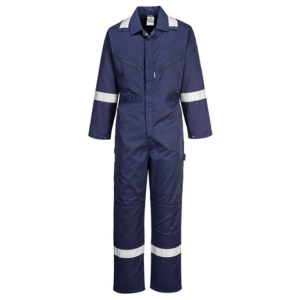
Flame-resistant (FR) clothing is designed for work where heat or flame presents a risk. There isn’t one standard that covers every type of FR clothing, so check that the garment’s certified protection matches the hazard identified in your risk assessment.
An “FR” description on its own doesn’t tell you enough. Look at the standards and performance information behind the garment before deciding whether it’s suitable for the job.
How to Choose the Right PPE for Your Workplace
The right PPE should be selected from your workplace risk assessment, then checked for fit and compatibility with any other equipment being worn. A compliance marking tells you that a product meets particular requirements, but it doesn’t tell you whether it’s the right PPE for your worker or the job.
When you’re choosing PPE for your team:
- Start with the hazard, not the product: “Protective gloves” isn’t a useful specification on its own. A worker handling chemicals needs different protection from someone at risk of cuts, so establish what you’re protecting against before looking at products.
- Get the fit right: PPE that’s too loose or difficult to adjust won’t provide the protection intended. Fit also affects how people wear it. Safety glasses that constantly slip down won’t protect someone from a broken saw blade.
- Check PPE works together: Look at the complete kit when several items will be worn at once. Ear defenders need to work with the chosen helmet, while safety glasses shouldn’t interfere with the seal of tight-fitting RPE.
- Think about the working environment: PPE that’s suitable for a short indoor task won’t be the best choice for someone wearing it throughout a shift outdoors in the cold. Consider how the equipment will actually be used rather than choosing solely from its specification sheet.
A good PPE checklist for workplaces shouldn’t leave you with an identical kit for every employee. It should help you arrive at PPE that’s appropriate for the risks each role actually involves to keep your team safe.
From our Workwear Experts:
“We see this quite often with businesses ordering one type of PPE for everyone. You might have two people working in the same warehouse, but one is loading vehicles outside while the other spends most of the day picking indoors. Giving them both the same jacket or safety footwear because they have the same job title doesn’t make sense.” – Louis Georgiou, Operations Director
How to Check Whether PPE Is Compliant
Compliant PPE should carry a UKCA or CE mark and have a Declaration of Conformity, along with the product information needed to check what protection it provides. The markings and documentation are what allow you to check that the product you’ve ordered is what it claims to be and not a counterfeit.
Check for a UKCA or CE Mark
PPE placed on the market in Great Britain carries a UKCA or CE mark. Look for a marking that’s clear and legible, then check it against the information supplied with the product.
Check the Declaration of Conformity
The Declaration of Conformity confirms the requirements the PPE has been assessed against. Check that the manufacturer and product identification correspond with the PPE you’ve actually received. If you can’t match the paperwork to the product in front of you, that’s a red flag.
Check the Labels and Manufacturer’s Instructions
Take a look at the label and the manufacturer’s instructions rather than throwing the packaging away as soon as an order arrives. You should be able to identify the product and understand how it should be used. The documentation should also tell you how to look after it.
Look for Signs of Counterfeit or Non-Compliant PPE
Counterfeit PPE isn’t always obvious at a glance. Some of the warning signs you can look for are:
- Missing or poorly reproduced conformity markings
- No identifiable manufacturer
- Missing Declaration of Conformity
- Certification claims that don’t match the product
- Unusually poor construction or finishing
- Standards or protection claims you can’t verify
For Category III PPE, used for risks that may cause very serious consequences, the conformity marking should also be accompanied by the identification number of the relevant approved or notified body involved in the conformity assessment process. If something doesn’t add up, don’t issue the PPE.
Can Branded PPE Still Be Compliant?
Branded PPE can remain fully compliant as long as adding your logo doesn’t interfere with the protection or certification of the original product. We deal with this most often on branded hi-vis. You can’t simply put a large logo wherever it looks best and assume the garment will retain its EN ISO 20471 classification. The finished garment still needs the required areas of fluorescent material, while branding needs to stay clear of the reflective tape.
PPE Inspection Checklist
A workplace PPE inspection should look for damage or deterioration that could stop the equipment providing the protection it was designed for. Before PPE is used, check:
- Overall condition: Look for obvious damage or signs that the item is becoming excessively worn.
- Cleanliness: Check for contamination that could affect the PPE or the protection it provides.
- Components: Make sure nothing is broken or missing and that moving or adjustable parts work properly.
- Fit: Check the PPE can still be fitted and adjusted correctly for the wearer.
- Alterations: Look for modifications or repairs that could interfere with its protective features.
- Labels and markings: Make sure any information needed to identify or inspect the PPE is still legible.
- Service life: Follow any replacement periods or service-life limits given by the manufacturer.
Don’t wait for PPE to look completely worn out before replacing it. A damaged component or relatively small area of deterioration can be enough to affect how an item performs. If you’re not confident it can still provide the protection required, take it out of use and check it before it’s issued again.
Safety Helmet Inspection Checklist
Don’t just inspect the shell of a safety helmet. The internal harness is part of the protective system too, so a helmet that looks fine at first glance can still need replacing.
Check for:
- Cracks, dents or deformation to the shell
- Deep scratches or signs of deterioration
- Chemical damage
- Damage to the internal harness
- Worn or broken straps
- Adjustment mechanisms that no longer work properly
- Missing or damaged components
- Drilling, alterations or unsuitable attachments
- Legible manufacturer markings
Use the manufacturer’s guidance when deciding when a helmet should be replaced rather than waiting for obvious external damage.
Eye and Face Protection Inspection Checklist
Safety glasses, goggles and face shields need to give the wearer clear vision while providing the required protection. Heavy scratching is enough to make eye protection unsuitable even when the lens or visor is still intact.
Check for:
- Cracked or heavily scratched lenses
- Distorted or reduced visibility
- Damaged frames or side protection
- Worn straps
- Deteriorated goggle seals
- Loose or missing components
- Contamination that can’t be removed safely
- Poor or insecure fit
If damage affects visibility or the protection provided, replace the item rather than trying to get a little more wear out of it.

Hearing Protection Inspection Checklist
Hearing protection needs to maintain a good fit to provide the intended protection. With ear defenders, pay particular attention to the parts that sit against the head, as wear here isn’t always obvious from a quick glance.
Check for:
- Cracked or hardened ear cushions
- Damaged seals
- Loose or damaged headbands
- Faulty helmet attachments
- Damaged or deteriorated reusable ear plugs
- Contamination or hygiene issues
Respiratory PPE Inspection Checklist
Even small defects in respiratory protective equipment (RPE) can affect the protection it provides, particularly where the equipment relies on a close-fitting seal.
Check for:
- Cracks or deterioration to the facepiece
- Damaged straps or buckles
- Worn sealing surfaces
- Damaged valves
- Filters or cartridges that need replacing
- Loose or damaged connections
- Contamination
- Legible manufacturer markings
Follow the manufacturer’s replacement guidance for filters. An RPE inspection also doesn’t replace fit testing where tight-fitting respiratory protection is used.
Protective Glove Inspection Checklist
The damage that makes a protective glove unsuitable depends on what it’s protecting against. A small hole is particularly significant where the glove relies on an intact barrier to keep the hazard away from the skin.
Check for:
- Cuts, tears or punctures
- Excessive abrasion
- Thinning material
- Damaged seams or cuffs
- Chemical contamination
- Swelling or hardening
- Loss of flexibility
- Damage that affects fit
Hi-Vis Clothing Inspection Checklist
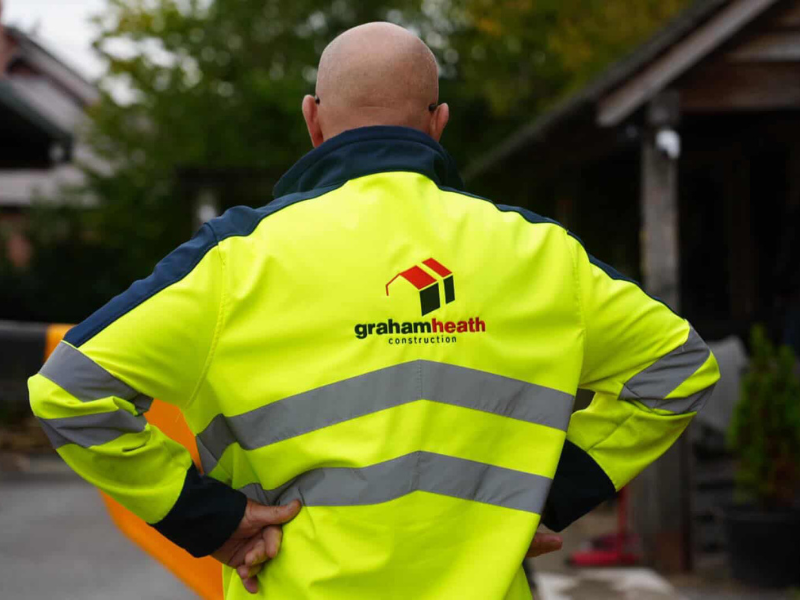
We’d pay particular attention to older branded garments that have been through repeated wash cycles. The logo might still look great while the hi-vis material around it is telling you the garment is ready for replacement.
Check for:
- Significant fading or discolouration
- Heavy soiling that reduces visibility
- Damaged or peeling reflective tape
- Tears or worn areas
- Damaged seams or fastenings
- Repairs or alterations
- Branding that interferes with certified areas
- A legible certification label
- Manufacturer wash limits
Protective and Flame-Resistant Clothing Inspection Checklist
Protective and flame-retardant clothing needs to retain the features that provide its certified protection. Treat damage or alterations differently from the everyday wear you might accept on an ordinary work jacket.
Check for:
- Holes or tears
- Excessive wear
- Damaged seams
- Broken or missing closures
- Contamination
- Damage to protective components
- Unauthorised repairs or alterations
- Legible certification labels
Safety Footwear Inspection Checklist
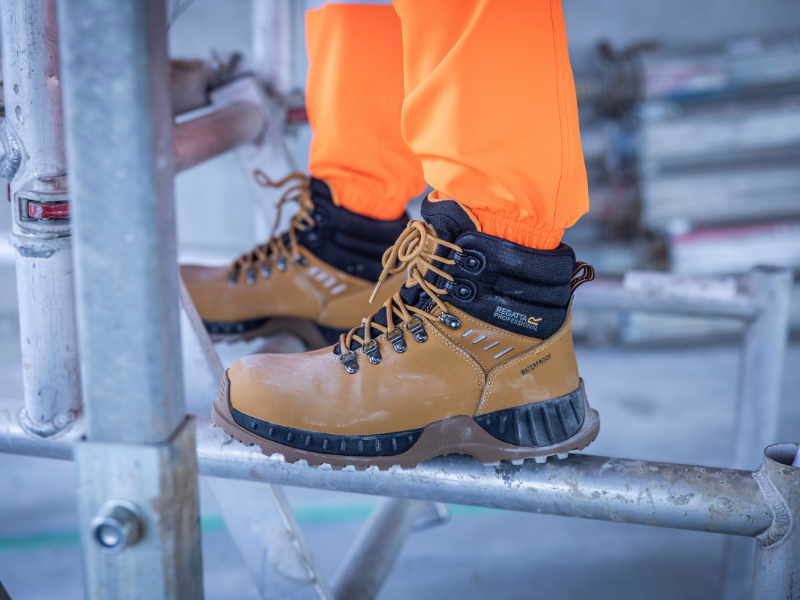
Don’t judge safety footwear purely by whether the worker can still comfortably wear it. The sole or protective structure can deteriorate while the rest of the boot still has plenty of life left in it.
Check for:
- Excessive tread wear
- Splitting between the sole and upper
- Cuts or holes in the upper
- Damaged fastenings
- Puncture damage
- Exposed or damaged protective components
- Significant deformation
- Contamination that affects grip
Harness and Lanyard Inspection Checklist
Harnesses and lanyards for people working at heights need a pre-use check as well as scheduled thorough examinations by a competent person. One doesn’t replace the other, so workers should still check their equipment before use even when it has an up-to-date inspection record.
Check for:
- Cuts or abrasion to the webbing
- Damaged or pulled stitching
- Heat or chemical damage
- Corrosion or distortion of metal components
- Buckles and adjusters that don’t work correctly
- Damaged hooks or connectors
- Damage to energy absorbers
- Legible identification and inspection labels
- Signs the equipment has been involved in a fall
Printable Workplace PPE Inspection Checklist
Use this workplace PPE inspection checklist as a quick record of whether equipment is still fit for use. It gives your team a consistent set of checks to work through, but the manufacturer’s instructions should always take priority where a product needs more specific inspection or maintenance.
| Inspection details | Record |
| Date: | |
| Checked by: | |
| Worker/equipment ID: |
| PPE type | What to check | Pass | Fail | Action required |
| Safety helmet | Shell, harness, straps, adjustment and markings | ☐ | ☐ | |
| Eye/face protection | Lens or visor, frame, straps, seals and visibility | ☐ | ☐ | |
| Hearing protection | Cushions, seals, headband, attachments or plugs | ☐ | ☐ | |
| Respiratory PPE | Facepiece, seal, straps, valves, filters and connections | ☐ | ☐ | |
| Protective gloves | Cuts, punctures, abrasion, seams and deterioration | ☐ | ☐ | |
| Hi-vis clothing | Fluorescent material, reflective tape, damage and soiling | ☐ | ☐ | |
| Protective/FR clothing | Fabric, seams, closures, contamination and alterations | ☐ | ☐ | |
| Safety footwear | Tread, sole, upper, fastenings and protective components | ☐ | ☐ | |
| Harnesses/lanyards | Webbing, stitching, connectors, energy absorbers and labels | ☐ | ☐ |
How Often Should PPE Be Inspected?
PPE should be checked before use and inspected regularly enough to identify wear or damage before it affects protection. How often you need to inspect it depends on the equipment, how it’s used and the manufacturer’s instructions.
A practical inspection schedule separates quick checks before use from more structured inspections:
| Inspection type | When | Typically carried out by |
| Pre-use check | Before the PPE is used | Person wearing or using the PPE |
| Routine inspection | At intervals based on risk, use and manufacturer guidance | Employer or designated person |
| Thorough/specialist examination | At required intervals for relevant equipment | Competent person |
Your routine inspection frequency should reflect what happens to the PPE in the real world. Equipment that’s worn every day in demanding conditions needs much closer attention than something used occasionally in a controlled environment. Manufacturer guidance should also form part of the schedule.
Some specialist PPE needs a more formal examination. For example, fall-arrest harnesses and lanyards should receive a thorough examination by a competent person at least every six months, alongside checks before use.
What Should You Do When PPE Fails an Inspection?
If PPE fails an inspection, take it out of use straight away. It shouldn’t be issued again until you’ve established that it can be safely repaired, where the manufacturer permits this, or replaced with suitable PPE.
A simple process helps prevent failed equipment ending up back in circulation:
- As soon as you find a defect that could affect protection, stop using the PPE.
- Clearly label or quarantine the item so it can’t accidentally be picked up by someone else.
- Note the defect and when it was found, along with the action you’ve decided to take.
- Follow the manufacturer’s guidance rather than carrying out an improvised repair that could affect the PPE’s performance.
- Make sure the worker has suitable replacement PPE before they return to work that requires it.
- Keep a record of whether the item was repaired, refreshed or disposed of.
You don’t need to wait for a scheduled PPE inspection to follow this process. If someone notices a cracked helmet or finds that their safety boots are splitting during a shift, they should know who to report it to and where to get a replacement.
How to Set Up a PPE Inspection Process
A PPE inspection process should make it clear who carries out each check and when it needs to happen. Workers can handle pre-use checks, while routine inspections can be assigned to an appropriate person within the business. Any specialist examinations should be left to someone with the required competence.
Set inspection intervals by following the manufacturer’s guidance, then take account of how heavily the equipment is used and the conditions it’s exposed to rather than putting every item on the same schedule.
Keep a simple record of inspections so you can see when equipment was checked, who checked it and whether any action was needed. For larger teams, this also makes it much easier to keep track of PPE that’s due for replacement.
Finally, make replacements easy to access. Keeping appropriate spare PPE available means a failed item can be taken out of circulation without leaving someone tempted to carry on using it.
For businesses managing PPE across a larger workforce, our corporate workwear accounts will help you keep ordering and replacement stock in one, easy place.
How to Keep PPE Inspection-Ready
Keeping PPE inspection-ready is mostly about how it’s treated between checks. Good storage and proper cleaning can extend its usable life, and early reporting helps you catch damage before the next scheduled inspection.
A few simple habits make a big difference:
- Store PPE correctly: Keep it somewhere clean and dry, following any specific manufacturer guidance.
- Follow the care instructions: The wrong cleaning method can damage protective materials even when the PPE still looks fine.
- Report damage early: Workers should know what to do if they notice deterioration or a problem with fit during normal use.
- Keep spares available: Damaged PPE is much easier to take out of use when a suitable replacement is ready.
- Keep records up to date: Tracking issued PPE and inspections makes it easier to see when equipment may be approaching replacement.
- Avoid unsuitable alterations: Repairs or branding shouldn’t interfere with the PPE’s protective features or certification.
Ideally, a scheduled inspection shouldn’t be the first time you discover there’s a problem. PPE should be looked after throughout its working life, with defects picked up as they happen.
From our Workwear Experts:
“We’ve seen hi-vis jackets where the garment itself still has plenty of wear left in it and the logo looks great, but repeated washing has faded the fluorescent fabric and started to make the reflective tape peel off. If your team knows to look for that, the jacket gets replaced before somebody assumes it’s still fine and puts themselves at risk.” – Louis Georgiou, Operations Director
What Happens If Workplace PPE Isn’t Suitable or Maintained?
PPE that’s damaged, poorly maintained or unsuitable for the job won’t provide your team the protection they’re relying on. Simply issuing PPE isn’t enough; employers also need to make sure it remains suitable and in good working order.
Poor PPE management can lead to:
- PPE failing when a worker needs it, causing harm
- Failure to meet employer responsibilities from a legal standpoint
- Work being delayed while replacement PPE is sourced
- Equipment needing replacement sooner because it hasn’t been cared for correctly
This is where a workplace PPE checklist earns its place. Regular checks help you catch deterioration while there’s still an opportunity to take the equipment out of use, rather than discovering the problem when someone is relying on it for protection and needlessly gets hurt.
Kit Your Workforce Out With Compliant PPE
Need to kit out your team with PPE? Essential Workwear supplies certified PPE, safety footwear and hi-vis workwear for businesses across a wide range of industries throughout the UK.
We can help you choose workwear around the requirements of different roles, then add your company branding in-house using the highest quality methods suited to the garment. For larger workforces, our corporate accounts also make ongoing PPE and workwear ordering easier to manage.
Browse our personal protective equipment and hi-vis ranges, or talk to our team about kitting out your workforce.
Workplace PPE Checklist FAQs
Is PPE a Legal Requirement in the UK?
Yes. UK employers must provide suitable PPE free of charge where workplace risks can’t be adequately controlled in another way. The PPE at Work Regulations 1992 were extended in April 2022 to cover limb (b) workers as well as employees.
Who Is Responsible for Providing and Paying for PPE?
Employers are responsible for providing required PPE to workers covered by the regulations, and workers shouldn’t be charged for it. The employer also needs to make sure the PPE is suitable for the work and kept in good working order.
What Items Don’t Count as PPE?
Ordinary uniforms and clothing worn purely for company branding don’t count as PPE. Everyday clothing worn for normal weather protection is also generally excluded. Essential Workwear PPE is specifically intended to protect the wearer against a workplace health or safety risk.
How Often Should PPE Be Inspected?
PPE should be checked before use, with further inspections scheduled according to the equipment and how it’s used. Manufacturer guidance should also be followed, while some specialist PPE requires additional formal examinations.
Who Can Carry Out a PPE Inspection?
Workers can usually carry out pre-use checks on their own PPE when they know what defects to look for. More detailed inspections may need someone with greater knowledge of the equipment, and any required specialist or thorough examination should be carried out by someone with the appropriate competence.
What Should I Do If PPE Fails an Inspection?
Take failed PPE out of use immediately. Clearly separate it from usable equipment so it can’t be issued again by mistake, then follow the manufacturer’s guidance to establish whether it can be safely repaired or needs replacing.
Can Branded or Customised PPE Still Be Compliant?
Yes. PPE can be branded without compromising its compliance, provided the branding doesn’t interfere with its protective features or certified performance. This is important with hi-vis clothing, where logo size and placement need to work around the fluorescent and retroreflective areas of the garment. At Essential Workwear, we take these requirements into account when branding PPE so your workwear can carry your company identity without treating safety as an afterthought.