

Categories
Workwear Care Guide: How to Wash & Maintain Branded Uniforms (2026)
Branded workwear is built to handle busy, demanding environments, but how your work uniforms are washed and cared for plays a big role in how well they hold up over time. If you’re unsure how to wash workwear properly, small mistakes can quickly reduce the lifespan of your uniforms.
It really doesn’t take much to shorten the life of a uniform. Washing at the wrong temperature, using the wrong products, or drying on high heat can lead to faded logos, damaged prints, and fabrics that lose their shape sooner than they should. Over time, that means more replacements, higher costs, and a less consistent look across your team. For a breakdown of what those replacements cost, see our average cost of branded workwear guide.
This workwear care guide is here to keep things simple. You’ll find clear, practical advice on how to wash and maintain different types of branded workwear and uniforms, along with tips to protect embroidery, prints, and performance fabrics, so your uniforms stay looking professional and last as long as they’re meant to.
Your Work Uniform Laundry Guide
| Garment Type | Wash Temp | Tumble Dry | Iron | Special Notes |
| Polo shirts (cotton) | 30°C | Low heat or air dry | Medium | May shrink at high temperatures |
| Polo shirts (poly blend) | 30°C with some polycotton blends up to 60°C | Low heat | Low | Retains shape better than cotton. Check out Kustom Kit Superwash 60°C, designed to be washed at this higher temperature |
| T-shirts | 30°C | Low heat or air dry | Medium | Turn inside out to protect prints |
| Sweatshirts & hoodies | 30°C | Low heat | Low–medium | Avoid high heat to prevent shrinking |
| Fleeces | 30°C | Air dry preferred | Do not iron | Avoid fabric softener to reduce pilling |
| Softshell & waterproof jackets | 30°C | Do not tumble dry | Do not iron | Reproof periodically; no fabric softener |
| Hi-vis uniforms | ≤40°C | Low heat only | Not on reflective areas | Protect reflective tape; avoid harsh chemicals |
| Trousers & cargo pants | 30°C | Low heat | Medium | Durable but avoid over-washing |
| Aprons & chef wear | 60°C | Medium | Medium–high | Higher temps for hygiene where needed |
| Safety boots | N/A | N/A | N/A | Wipe clean and reproof; do not machine wash |
According to research by Which?, many detergents are most effective at 30°C. So, as a general rule of thumb for looking after uniforms, 30°C is best for everyday washes, while 60°C is needed for heavy soiling.
How to Wash Workwear: General Washing Rules
Most branded work uniforms should be washed at 30°C, turned inside out to protect logos, and air dried or tumble dried on low heat to maintain fabric quality and durability.
If you want quick and easy tips on how to wash workwear, these general washing rules apply to most branded uniforms. Follow them consistently to prevent early wear, protect logos, and keep your work uniforms looking professional for longer:
- Wash at 30°C for most items (use higher temperatures only when necessary for heavy soiling).
- Turn uniforms inside out before washing to protect prints and embroidery.
- Fasten zips, buttons, and Velcro to prevent snagging and damage.
- Wash similar colours together to avoid dye transfer.
- Avoid fabric softener on performance fabrics, as it can affect breathability and finish.
- Use a mild detergent rather than harsh chemicals or bleach.
- Don’t overload the machine — your uniforms need space to wash properly.
- Where possible, air dry instead of tumble drying to extend the life of fabrics and branding.
Getting these basics right goes a long way in looking after uniforms. In many cases, it’s the difference between workwear that lasts a few months and uniforms that stay in good condition for years.
Workwear Care by Garment Type
Different materials and uniform types require slightly different care, and understanding how to wash workwear correctly for each one helps keep every garment looking great. While the general rules above will cover most everyday situations, using the right approach for each item will help maintain fit, colour, and branded details even more. For sizing help before or after washing (particularly if a garment has shrunk or needs replacing), our workwear sizing guide covers every major garment type.
Polo Shirts (Cotton vs Polyester Blends)
Custom branded polo shirts are one of the most common work uniforms, and the fabric blend makes a difference to how they should be washed and cared for.

Cotton polos:
- Wash at 30°C
- More prone to shrinking at higher temperatures
- Air drying helps maintain shape
Polyester blends:
- Wash at 30°C
- More resistant to shrinking and creasing
- Dries faster and holds structure better over time, so tumble drying is optional.
For both types, turn your branded polo uniforms inside out before washing to protect embroidered or printed logos, and avoid high heat when drying.
T-Shirts
Branded work t-shirts are typically lighter than polos but follow similar care rules on how to wash workwear.
- Wash at 30°C
- Turn inside out to protect prints
- Avoid high heat drying, especially for printed designs
- Iron on reverse if needed
With frequent washing, keeping temperatures lower helps maintain both fabric quality and branding, while still keeping your branded uniforms fresh.
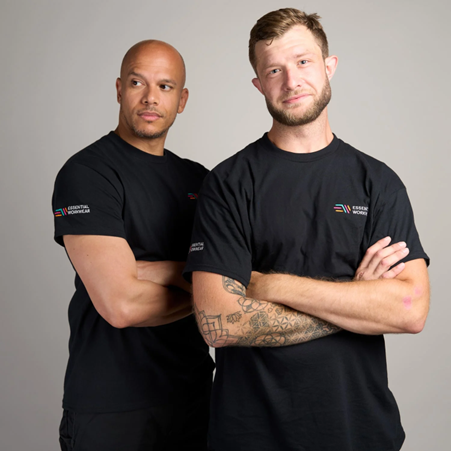
Sweatshirts & Hoodies
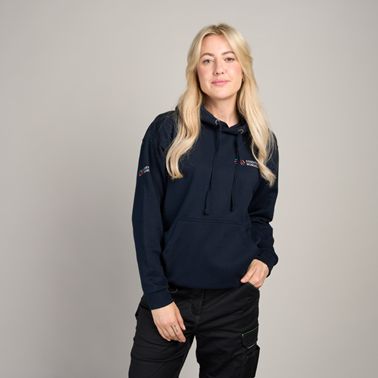
Heavier fabrics mean branded sweatshirts and work hoodies need a bit more care to avoid unnecessary damage to your uniforms.
- Wash at 30°C
- Avoid high heat when tumble drying (can cause shrinking and print damage)
- Air drying is ideal for looking after uniforms with heavy fabrics
- Iron on low to medium heat, avoiding printed areas
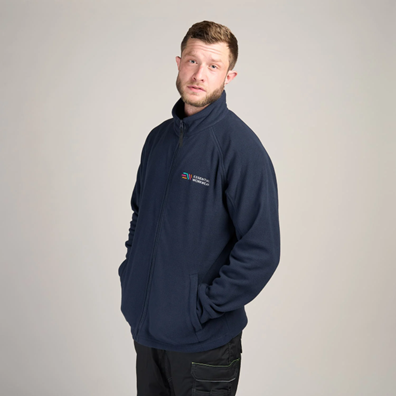
Fleeces
Branded work fleeces are designed for warmth and comfort, but incorrect washing can lead to pilling and reduced performance.
- Wash at 30°C on a gentle cycle
- Avoid fabric softener
- Air dry only
- Do not iron
Keeping the wash gentle helps maintain the texture and appearance of your fleece uniforms for longer.
Softshell & Waterproof Jackets
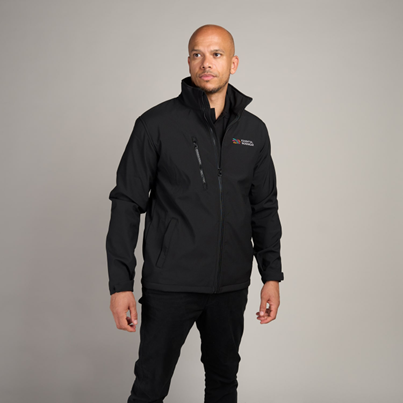
Garments that rely on technical fabrics, like softshell jackets and waterproof work jackets, are easily ruined with standard workwear washing habits. Here’s how to make sure your waterproof uniforms last longer:
- Wash at 30°C using a mild detergent
- Do not use fabric softener
- Avoid tumble drying
- Reproof periodically to maintain water resistance
Proper care helps preserve both performance and appearance of performance branded uniforms, which is especially important if your team works outdoors in our unreliable British weather.
Hi-Vis Uniforms
Branded hi-vis uniforms require more careful handling due to their safety function.
- Wash at 40°C or below
- Avoid bleach and fabric softener
- Use low heat if tumble drying
Constantly replacing worn out hi-vis uniforms is an expense your business shouldn’t have to deal with, so we’ve covered full workwear care guidance for hi-vis uniforms in its own section below.

Trousers & Cargo Pants
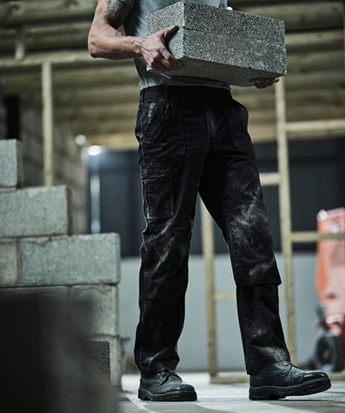
Branded work trousers are built for durability, but tend to get the most wear and tear on the job. Here’s how to wash your work trouser uniforms effectively:
- Wash at 30°C
- Suitable for low heat tumble drying
- Avoid excessive washing when not necessary
These quick tips help maintain fabric strength over time, so your work trousers stay intact and protective for longer.
Aprons & Chef Wear
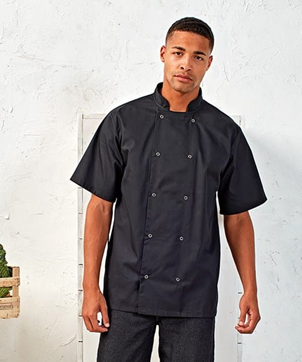
Branded aprons and other kitchen uniforms require higher washing temperatures for hygiene.
- Wash at 60°C (depending on use)
- Tumble dry on medium heat if needed
- Iron at higher temperatures where appropriate
There’s a balancing act between cleanliness and fabric longevity with chef uniforms. But hygiene is top priority when your team works in a kitchen.
Safety Boots
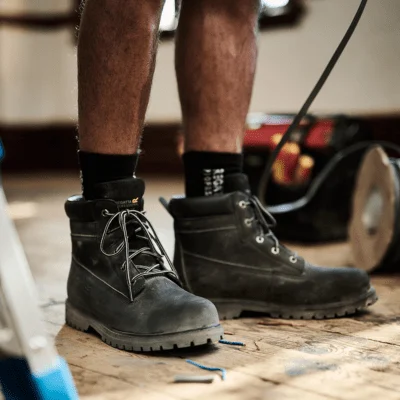
Safety footwear should not be machine washed — it’ll wreck your shoes and your appliance. Instead:
- Wipe clean with a damp cloth
- Use appropriate cleaning products for leather or synthetic materials
- Reproof where necessary
- Allow to air dry naturally between uses
Regular maintenance helps extend lifespan and maintain protection, so don’t let mud and dirt build up before you give your boots some TLC.
Washing Branded Uniforms (Logos & Decoration)
Branded elements need slightly more care than the uniform itself. At Essential Workwear, our embroidery, screen printing, and DTF printing methods are designed to be durable, but the way your uniforms are washed and dried will have a direct impact on how well logos hold up over time.
Following a few simple guidelines on washing branded uniforms will help keep the branding looking sharp for longer.
Branded Workwear Care Guide
| Decoration Method | Recommended Washing Temp | Heat Tolerance | Durability | Ironing Advice |
| Embroidery | 30–60°C | High | Very durable — often outlasts the uniform | Do not iron directly over embroidery; iron around or on reverse |
| Screen Print | 30°C | Medium | Durable, but can crack with high heat and friction | Do not iron directly on print; iron on reverse only |
| DTF (Direct-to-Film) Transfer Print | 30°C | Low – Medium | Flexible and durable, but sensitive to prolonged heat exposure | Iron on reverse; avoid direct heat on printed area |
How to Wash Embroidered Workwear
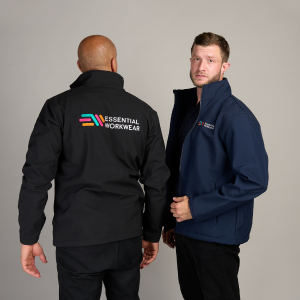
Embroidery is the most durable form of workwear branding and is well suited to uniforms that are washed frequently. For a deeper comparison of methods, see our embroidery vs printing vs DTF guide.
- Turn uniforms inside out before washing
- Wash at 30°C
- Avoid ironing directly over embroidered areas
- Air dry or tumble dry on low heat
In most cases, embroidery will outlast the uniform itself. With the right care, it maintains its shape, colour, and finish even with regular use.
Screen-Printed Workwear
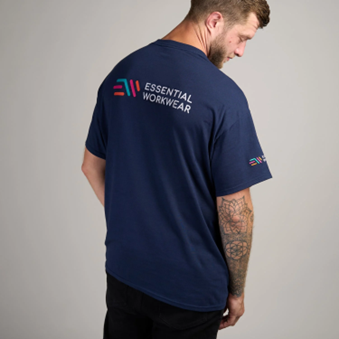
Screen printing creates a clean, bold finish on work uniforms, but it is more sensitive to heat and friction than embroidery.
- Turn uniforms inside out before washing
- Wash at 30°C
- Avoid high heat tumble drying
- Do not iron directly over prints — iron on the reverse side only
High temperatures are the main cause of cracking or peeling, so keeping washes cooler helps extend the life of the print.
DTF (Direct-to-Film) Printed Workwear
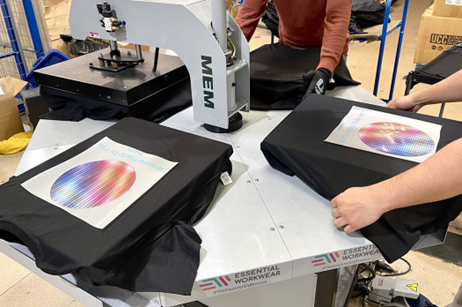
DTF printing offers flexibility and detail on branded uniforms, but it still benefits from careful handling.
- Wash at 30°C
- Turn inside out before washing
- Avoid high heat drying
- Iron on reverse if needed
DTF prints are slightly more flexible than traditional screen prints, but excessive heat can still affect their finish over time.
Taking a consistent approach to washing branded uniforms (particularly avoiding high heat and washing inside out) will go a long way in keeping your logos looking clean, professional, and intact.
How to Wash Hi-Vis Uniforms: Care & Safety Compliance
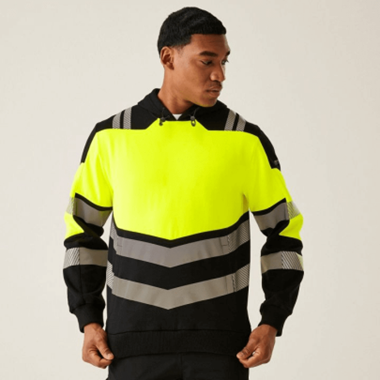
Hi-vis workwear isn’t just about appearance; it plays a direct role in keeping people safe. Because of that, how these uniforms are washed and maintained is especially important.
Incorrect care can reduce the effectiveness of reflective tape and high-visibility fabrics, which can impact compliance and, more importantly, visibility on site. If you’re unsure which class of hi-vis your team needs, our classes of high-visibility clothing guide explains the differences.
Key Care Rules for Washing Hi-Vis Uniforms
- Wash at 30°C or below
- Never use bleach or fabric softener
- Avoid harsh detergents
- Do not tumble dry on high heat
- Air dry where possible
These steps to washing your hi-vis uniforms help preserve both the colour brightness and the reflective properties of the garment.
Maintaining Reflective Tape
Reflective tape is one of the most important safety features of hi-vis uniforms, but it’s also one of the first areas to show wear if uniforms are washed incorrectly.
Regularly check for:
- Peeling edges
- Cracking or stiffness
- Areas that no longer reflect properly
If the reflective tape is damaged or no longer effective, the hi-vis uniform should be replaced ASAP.
Understanding Compliance (EN ISO 20471)
Hi-vis clothing is designed to meet EN ISO 20471, the standard that sets requirements for high-visibility uniforms.
For a uniform to remain compliant, its reflective elements and visibility must stay fully functional. That means care and maintenance aren’t just about extending lifespan — they’re part of maintaining safety standards.
When to Replace Hi-Vis Uniforms
Even with proper care, hi-vis uniforms won’t last indefinitely. It’s time to replace items when:
- Reflective tape is worn, cracked, or peeling
- The fabric has faded significantly
- The uniform no longer provides clear visibility
Keeping on top of replacements ensures your team remains visible, compliant, and protected at all times.
How to Remove Stains from Workwear
Stains are unavoidable in a lot of hands-on roles, but treating them correctly makes a big difference to how well your uniforms hold up over time.
If you’re wondering how to remove stains from workwear without damaging fabrics or branding, the key is to act quickly and use the right method for each type of stain.
Contrary to popular belief, jumping straight to a hot wash isn’t the best way to tackle stains on work uniforms. This can actually bake in a lot of tough stains and make them harder to get out.
Instead, here’s a quick stain-removal guide to help you remove even the toughest uniform stains:
| Stain Type | Recommended Treatment Method | Washing Temperature |
| Oil/Grease | Apply a small amount of washing-up liquid or degreaser directly to the stain. Gently work it in and leave for 10–15 minutes before washing. | 30°C |
| Paint | For water-based paint, rinse immediately with warm water before it dries. For dried paint, carefully scrape excess and use a suitable stain remover before washing. | 30°C |
| Food | Pre-treat with a mild detergent or stain remover. For protein-based stains (e.g. dairy), use cold water first to avoid setting the stain. | 30°C |
| Mud | Allow mud to dry fully, then brush off excess before washing. Pre-treat any remaining marks with detergent. | 30°C |
Setting Up a Workwear Care Policy for Your Team
For businesses managing uniforms across a team, clear care guidelines make a noticeable difference. A simple, consistent approach helps protect your investment, maintain a professional appearance, and reduce unnecessary replacement costs over time. If you’re also reviewing what your business provides, our UK uniform policy guide covers the wider framework.
Here are a few practical ways to put a work uniform care policy in place.
Provide Clear Care Instructions
Don’t assume everyone knows how to look after branded uniforms.
- Include a printed care guide with uniform packs
- Share simple instructions during onboarding
- Keep guidance clear and easy to follow
A small amount of upfront guidance can prevent avoidable damage later on, and it instils a sense of pride in your team’s uniforms.
Decide Who Is Responsible for Washing
It’s worth setting expectations early on.
- Employee-managed washing is more common and cost-effective
- Company-managed laundry offers more control and consistency
Whichever approach you choose, consistency is key. Clear ownership helps avoid mixed standards across teams.
Don’t forget to remind your team members that they could be eligible for tax relief if they wash their own branded uniforms at home.
Industrial Laundry vs Home Washing
For larger teams or specialist uniforms, industrial laundry may be worth considering.
Industrial laundry:
- Consistent results
- Suitable for high volumes
- Higher ongoing cost
Home washing:
- Lower cost
- More flexible
- Less control over how uniforms are handled
The right option depends on your team size, industry, and the type of work uniforms in use.
Rotate Uniforms
Providing more than one set of uniforms per employee can significantly extend the life of each garment. For guidance on the right number, see our guide to how many uniforms employers should provide.
- Reduces the frequency of washing per item
- Allows proper drying time between uses
- Helps maintain a consistent, professional appearance
Rotation is a simple way to get more value from your uniforms over time, and it makes sure your team always looks professional and well-presented on the job.
Reduce Long-Term Costs
Good uniform care has a direct impact on cost, so it’s not just about brand appearance.
- Fewer replacements over time
- Better return on your initial investment
- More consistent branding across your team
Putting a basic care policy in place helps ensure your branded uniforms continue to perform as expected, both practically and professionally. When uniforms do reach the end of their life, our uniform recycling service offers a more sustainable disposal option than sending them to landfill.
Workwear Care: The Takeaway
Understanding how to wash workwear properly is one of the simplest ways to extend the life of your uniforms and protect your investment.
Washing at the correct temperature, avoiding high heat, and following simple care guidelines for different uniform types will help protect fabrics, maintain branding, and keep your team looking professional day to day. Over time, those small habits add up to longer-lasting uniforms and fewer replacements.
For businesses, a clear and consistent approach to uniform care also helps control costs and maintain standards across the team, without adding unnecessary complexity.
If you’re investing in branded uniforms, it’s worth making sure they’re looked after properly. It’s a simple way to get more value from every item and keep your brand looking its best.
FAQs: Workwear Care & Washing
How often should you wash workwear?
Work uniforms should be washed regularly to maintain hygiene and appearance, but not more often than necessary. For most roles, washing after each use is appropriate, especially where uniforms are exposed to dirt, sweat, or contaminants. For lighter use, items can be worn more than once, provided they remain clean and presentable.
Can you tumble dry branded workwear?
You can tumble dry most branded uniforms on a low heat setting, but air drying is usually the better option. High heat can damage fabrics, cause shrinking, and reduce the lifespan of printed logos and reflective materials. For items with branding or technical fabrics, keeping heat low is key.
What temperature should you wash workwear at?
Most work uniforms should be washed at 30°C. This is enough to clean them effectively while protecting fabrics, colours, and branding. Higher temperatures should only be used where hygiene requires it, such as with chef aprons, stains, or heavily soiled items.
How do you remove stains from uniforms?
Treat stains as soon as possible using a mild stain remover or detergent, and avoid harsh chemicals that can damage fabrics or branding. Gently work the product into the affected area before washing at the recommended temperature. For tougher stains, repeat treatment rather than increasing wash temperature too quickly. Never tumble dry if the stain is still visible — it will bake the stain in and make it incredibly difficult to remove stains from the uniform.
Can you iron branded workwear?
Yes, but always take care around logos, and do not iron directly over prints or embroidery. Instead, turn the uniform inside out or place a cloth over the area before ironing. Use a low to medium heat setting depending on the fabric.
How long should work uniforms last?
The lifespan of work uniforms varies by garment type and use. With proper care, polo shirts and t-shirts typically last 6–12 months with daily wear, sweatshirts and hoodies 12–18 months, softshell jackets and fleeces 2–3 years, and hi-vis uniforms 6–12 months depending on site conditions. Work trousers usually last 6–12 months in heavy-use roles. Rotating between multiple sets and washing at the correct temperature will extend the life of all uniforms. Replace items when logos are visibly worn, fabrics have lost shape or colour, or reflective tape no longer functions properly.
Can you use fabric softener on workwear?
It’s best to avoid fabric softener on most work uniforms, particularly performance fabrics and hi-vis garments. It can affect breathability, reduce moisture-wicking properties, and interfere with reflective elements.
Looking for more guidance on branded workwear?
If you’re ready to invest in branded uniforms for your team, we’ve put together a range of guides to help you make the right choices. Our average cost of branded workwear guide breaks down pricing by garment type and branding method so you can plan your budget, and our logo placement guide covers the best positions for your logo across different uniforms. For advice on the right number of sets per employee, see our guide to how many uniforms an employer should provide.
When you’re ready to get started, you can browse our full range of branded workwear and work uniforms, have a look at our current workwear deals and bundles, or request a corporate account for your team.