

Categories
Uniform Policy in the UK: Current Standards and Impact
A clear uniform policy helps businesses maintain a professional image, keep teams safe, and ensure everyone understands what’s expected at work. But many employers are unsure how far the rules go — whether a policy is legally required, who pays for uniforms, and what they can and can’t enforce. This guide covers the legal framework, how to build a fair and compliant policy, and the practical steps for managing uniforms across your team.
Are uniform policies legal in the UK?
There is no single UK law that requires or governs workplace uniform policies. Employers can set a dress code at their own discretion, provided it complies with the Equality Act 2010 — meaning it must not discriminate against any of the nine protected characteristics, and it must allow reasonable adjustments for employees on grounds of disability, religion, or gender reassignment.
Beyond that legal baseline, a well-run uniform policy comes down to clear communication and consistency. The rest of this guide walks through what to include, how to stay compliant, and how to manage uniforms day to day.
The Purpose of a Work Uniform Policy
A uniform policy sets a clear standard of appearance for every employee. It helps convey a professional, consistent image to customers, patients, and the public, while supporting your branding and building a genuine sense of unity across your teams.

Key components of a strong uniform policy include:
- Standards of dress — define acceptable clothing and footwear, including specific items such as branded polo shirts or trousers in set colours.
- Personal Protective Equipment (PPE) — set out when and how PPE should be worn, so your team stays protected and compliant with health and safety law. For a closer look at PPE requirements by industry, see our guide to choosing the right PPE for your workplace.
- Maintenance and cleaning — outline who’s responsible for keeping uniforms clean and in good condition.
- New starters — provide clear guidance on how new employees receive their uniform.
- Exceptions and adjustments — include provisions for reasonable adjustments for employees with disabilities or religious beliefs.
Legal Considerations
There’s no single law governing work uniforms in the UK, employers are free to set their own policy. That said, every policy must comply with the Equality Act, ensuring it doesn’t discriminate against employees based on protected characteristics, and applies fairly to both men and women, even where requirements differ.
It’s also worth ensuring employees understand their right to claim tax relief on uniform maintenance, a small detail that goes a long way in building trust. If you’re still deciding between the two approaches, our article on dress codes vs. uniform policies explained breaks down the practical differences in more detail.
Dress Code vs. Uniform Policy
It’s worth distinguishing between the two. Dress codes set general expectations around appearance, smart-casual attire, for example, while uniform policies are more specific, requiring set garments such as branded polo shirts or a particular colour t-shirt. Both should be clear, consistent, and applied fairly across the board.
HMRC’s guidance is useful here: where there’s an integral branding feature and the employee “would readily be recognised as wearing a uniform by the person in the street,” it qualifies as a uniform for tax purposes.
Changing Into Uniform
Time spent changing into uniform before a shift typically isn’t paid unless stated in the employment contract. Many employers simply ask staff to arrive already dressed for work to keep things straightforward.

Wearing Uniform Outside of Work
Whether staff can wear their uniform outside working hours usually comes down to company policy. Healthcare workers, for instance, are often asked not to for health and safety reason, it’s always worth checking your organisation’s specific guidance.
Tax Relief
Where a uniform is a requirement of the role, employees are entitled to claim tax relief on maintenance costs such as washing, a helpful way to offset the cost of staying presentable at work. For a full breakdown of what you can claim and how, read our guide to uniform tax relief for UK employees.
Safety and Compliance
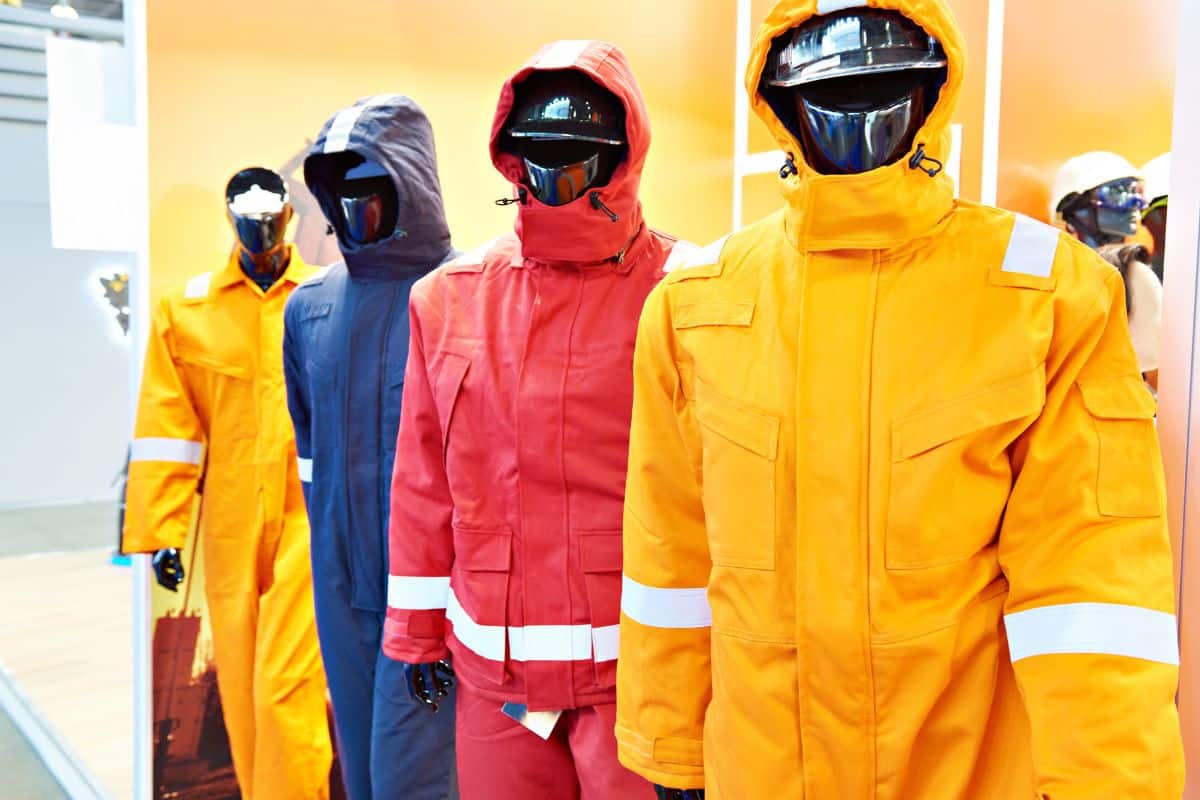
For roles requiring specialist clothing, high-visibility jackets or safety boots, for example, a well-applied uniform policy is essential for protecting your people and meeting safety regulations. A dependable, durable garment isn’t just policy, it’s peace of mind for everyone on site.
Curious about the latest hi-vis standards? Our post on high-visibility clothing regulations in the UK covers what’s required by law.
Crafting a Comprehensive Uniform Policy
When building your policy, start with clear, straightforward guidelines:
- Specify exact items; branded polo shirts, certain coloured trousers, or high-visibility workwear for relevant roles.
- Be explicit about what’s compulsory versus optional.
- Reflect health and safety requirements, including any specialist clothing needs and avoiding impractical items.
- Build in reasonable adjustments under the Equality Act for religious or medical reasons.
- Apply the policy consistently to all employees, regardless of gender, even where specific requirements differ.
If you’re weighing up embroidery versus print for your team’s branding, take a look at our guide to choosing between embroidery and printing.
Employee Rights and Protections
- Right to raise concerns — employees should be able to flag genuine discomfort or health issues connected to their uniform.
- Tax relief awareness — make sure your team knows what they’re entitled to claim.
- Consistency — HR teams should apply the policy fairly and support all employees, respecting individual needs while maintaining a unified standard.
6 Best Practices for Implementing a Uniform Policy
Not sure what to do when creating a uniform policy? Here are some of the best practices to follow.

1. Communicate clearly and train your team
Share guidelines early, keep communication consistent, and offer training so everyone understands what’s expected. Clarity from day one creates a positive environment for everyone involved.
2. Monitor and enforce fairly
A clear, consistent process for managing compliance reassures your team that the policy applies to everyone equally.
3. Review and update regularly
Revisit your policy periodically, gather feedback from staff, and adjust as your business or the law, evolves.
4. Prioritise inclusivity and equality
Respect all protected characteristics, including sex, religion, and race, and build in reasonable accommodations wherever needed.
5. Consider affordability and accessibility
Think about the financial impact on your team. Where appropriate, explore options that keep uniforms accessible without compromising on quality.
6. Document everything clearly
Keep your policy simple, jargon-free, and easy to find, published, accessible, and ready for anyone who needs it.
Frequently Asked Questions
Uniform policies in the UK can raise several common questions. Below are some key points regarding the management and optimisation of employee uniforms, as well as creating a successful uniform policy.
How do you keep track of employee uniforms?
A digital inventory system helps record what’s issued and returned, while clear labelling, such as employee ID tags, keeps things organised. Regular checks ensure uniforms are well maintained and replaced when needed.
How to create a staff uniform policy?
Set clear guidance on required clothing, acceptable colours, and any branded items. Explain the reasoning, safety, branding, or customer expectation and make sure the policy reflects the Equality Act throughout.
How can you optimise employee uniforms?
Choose durable, comfortable materials suited to the role, factor in specialist or high-visibility requirements where relevant, and ask for regular staff feedback to keep improving.
Do employers have to provide uniforms?
There’s no legal requirement to provide uniforms, but doing so is a great way to build loyalty and consistency across your team. Most employers provide two to three uniforms per person, particularly where a uniform policy, rather than a dress code, is in place.
What happens if an employee refuses to wear their uniform?
Where the policy is clearly set out in the employment contract and doesn’t discriminate against any protected characteristic, employees generally can’t opt out. That said, it’s always worth keeping the conversation open to suggestions that make uniforms more comfortable or practical.
Interested in Buying Custom Uniforms? Contact Us Today
Have you considered creating a custom uniform for work? At Essential Workwear, we can help you develop a uniform for your company, whether you’re looking for restaurant uniform ideas or corporate wear.
Keep your employee’s preferences in mind, as well as the necessary legal requirements when designing staff uniforms. We have developed a variety of uniforms for restaurants, trade shows and hospitality staff.
Whether you’re looking for custom uniforms with embroidered or printed logos, our sales team can help you produce the ideal outfit for you. Contact us today at +44 (0)330 202 1001 or sales@essentialworkwear.com.