

Categories
The Complete Guide to GSM for the Workwear & Uniform Market (Fabric Weights Explained)
GSM (grams per square metre) is the standard measurement of fabric weight used throughout the clothing and textile industry, calculated by weighing a one-square-metre sample of material. Workwear GSM typically ranges from 140gsm for lightweight summer t-shirts to over 380gsm for heavyweight winter hoodies. A higher GSM means a heavier, thicker, and generally more durable fabric but it doesn’t always mean better quality. The right GSM depends on the garment type, working environment, and how often the uniform will be worn and washed.
If you’ve ever compared two identical-looking work polos online and wondered why one is 180gsm while another is 240gsm, you’re not alone. GSM is one of the most commonly used fabric specifications in workwear, but it’s also one of the most misunderstood.
That number tells you a lot about how a garment will feel, perform, wash, and wear over time. So whether you’re buying new branded workwear uniforms for your team or comparing heavyweight hoodies for outdoor work, understanding GSM makes it far easier to choose the right garment for the job.
In this guide, we’ll break down how fabric weights differ across garment types, which GSM ranges work best for different industries given our experience of working with a variety of different clients, and the common myths that lead buyers to pick the wrong weight for the job.
GSM Workwear at a Glance
GSM (grams per square metre) measures how heavy a fabric is per one square metre of the fabric. So, a higher GSM means a garment has heavier, thicker, warmer fabric.
Typical workwear GSM ranges:
- Lightweight (140–180gsm): Summer t-shirts, thin breathable layers
- Lower mid-weight (180–220gsm): Lightweight polos, performance t-shirts, summer uniforms
- Upper mid-weight (220–280gsm): Year-round polos, heavy t-shirts
- Heavyweight (280-320gsm): Hoodies, sweatshirts and light outerwear
- Very heavyweight (320gsm+): Heavyweight hoodies, thick sweatshirts, cold-weather layers
What is GSM in Clothing?
GSM in clothing stands for grams per square metre. It’s a standard textile measurement used to describe how heavy a fabric is based on a one-square-metre sample of material.
In simple terms, the higher the GSM, the heavier the fabric tends to feel. Lightweight garments usually feel a little softer, thinner, and more breathable, while higher GSM fabrics feel thicker, denser, and more durable.
Manufacturers use GSM because it gives buyers a consistent way to compare garments across different brands and fabric types. Two shirts might look identical online from two different suppliers, so having a GSM measurement to compare gives you an idea of what each one will look and feel like in person.
It’s important to remember that GSM is not the same thing as quality. A 280gsm t-shirt isn’t automatically “better” than a 180gsm one. The best GSM depends entirely on the intended use.
Lightweight fabrics can be ideal for hot kitchens, outdoor events, or summer workwear, while heavier fabrics are often much more suited for construction, outdoor work, and colder conditions. So remember, heavier doesn’t necessarily mean better!
The Complete Workwear Fabric Weight Chart
| Garment | Lightweight | Midweight | Heavyweight | Best Use Case |
| T-shirts | 140-160gsm | 180-200gsm | 220gsm+ | Mid-weight for year round work; lightweight for summer-only |
| Polo shirts | 180gsm | 200-220gsm | 240-280gsm | Mid-weight for office/hospitality; heavyweight for trades |
| Sweatshirts | 240gsm | 280-300gsm | 320gsm+ | Heavyweight for outdoor/winter work |
| Hoodies | 280gsm | 320-350gsm | 380gsm+ | Heavyweight for cold conditions; mid-weight for layering |
| Fleeces | 200gsm | 280-300gsm | 380gsm+ | Mid-weight for layering; heavyweight as an outer layer |
| Hi-vis t-shirts | 150gsm | 175-200gsm | 220gsm+ | Mid-weight for visibility + comfort balance |
| Workwear trousers | 240gsm | 280-320gsm | 360gsm+ | Heavyweight for trades; mid-weight for general work |
Note: Workwear GSM ranges can vary slightly depending on fabric composition, garment construction, and intended industry use.
Choosing GSM by Garment Type
The real question is, how do you choose the right GSM for your needs? Let’s run through some of our bestselling workwear products and see what difference GSM makes.
Polo Shirts
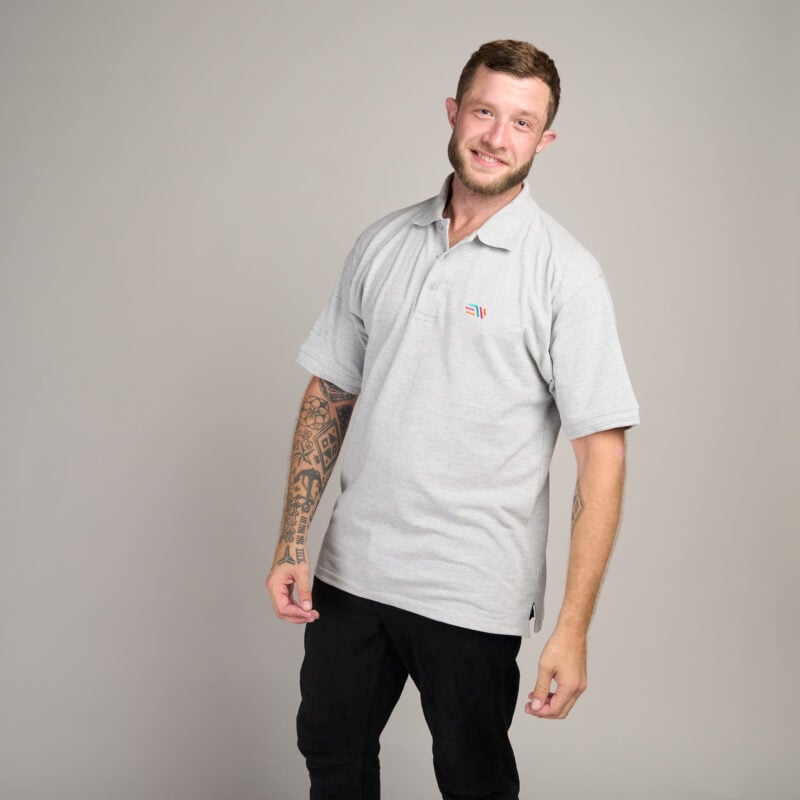
For most workplaces, 200–220gsm polo shirts are the sweet spot. They balance comfort, structure, and durability well enough for everyday wear and repeated washing.
You might want to go lighter for hospitality, warmer indoor office environments, or warmer weather in the summer months. Go heavier if the garments will be worn in trades, warehouses, or outdoor environments where extra durability matters. A higher GSM in workwear means fabrics are less likely to tear, so for more active environments, this means less workwear replacements in the long run.
T-Shirts
Standard workwear t-shirts usually sit between 180–200gsm, making them versatile enough for daily use without feeling overly heavy.
Lightweight 140–160gsm t-shirts work well for summer events, promotions, or hot environments in hospitality. Whereas you’re better off going for heavier 220gsm+ shirts for construction and trade settings where durability matters more than breathability.
Hoodies
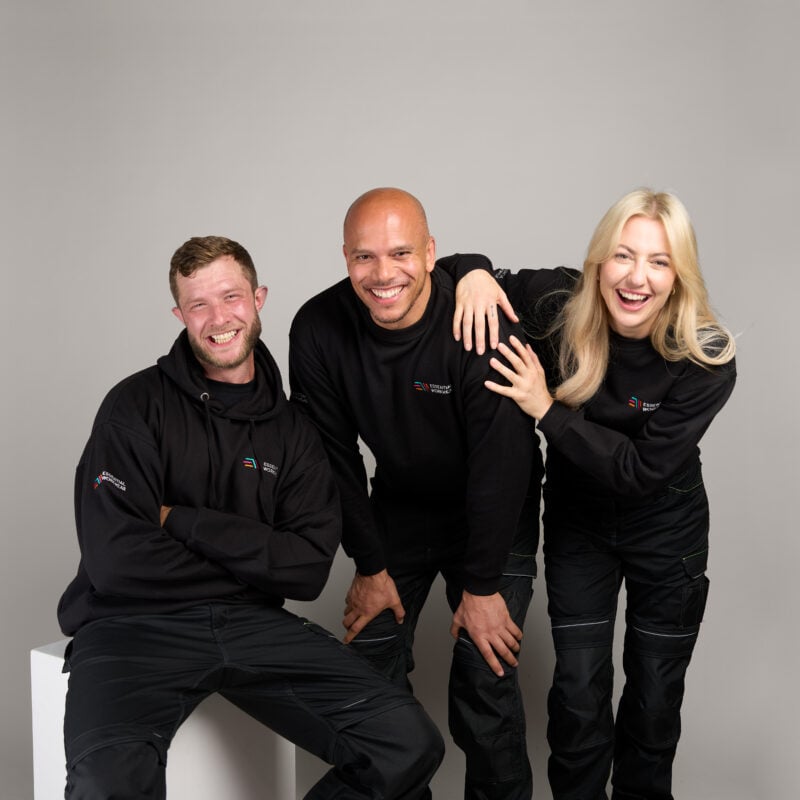
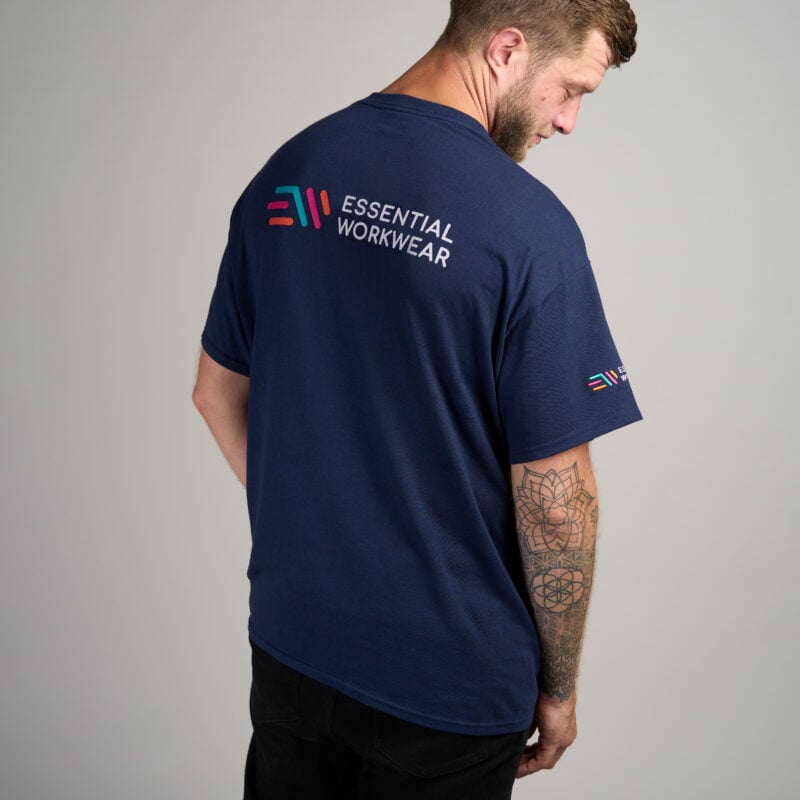
Most quality work hoodies start around 280gsm, with premium heavyweight hoodies going up to 350gsm or more. Anything thinner than 280gsm is going to feel lower quality since we do expect a heavier feel from hoodies.
Mid-weight GSM hoodies work well for layering indoors or in transitional seasons. Heavyweight hoodies are better suited to outdoor work, colder months, and physically demanding environments where warmth is key.
Sweatshirts
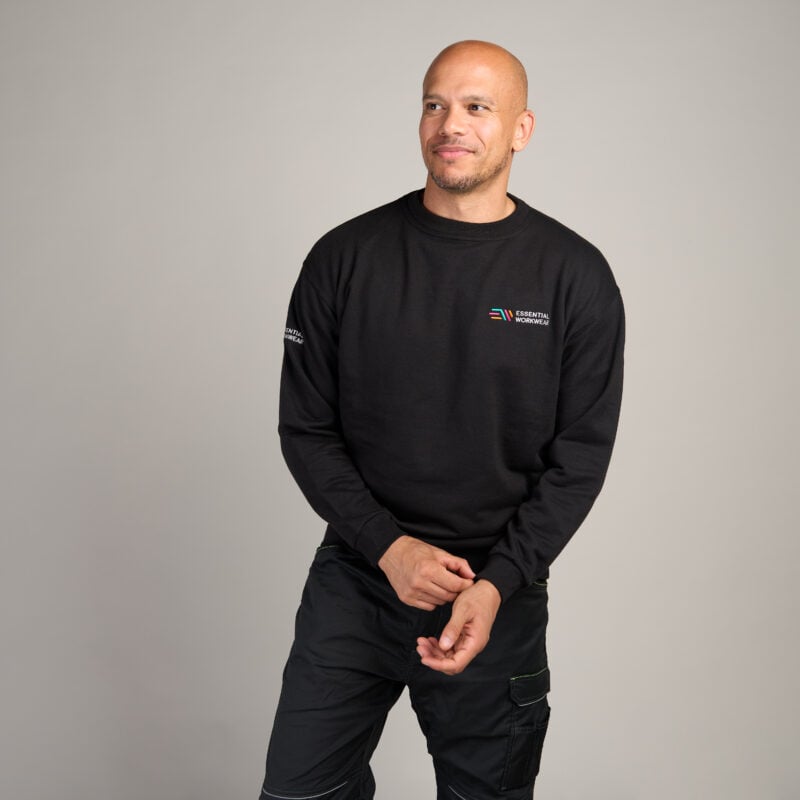
For workwear sweatshirts, 280–300gsm is generally considered the standard all-round range for workwear.
Lighter sweatshirts suit indoor workplaces with casual branded uniforms well. Heavyweight options provide more warmth and durability for warehouse, logistics, and trade environments, and stand up better to tougher work environments.
Fleeces
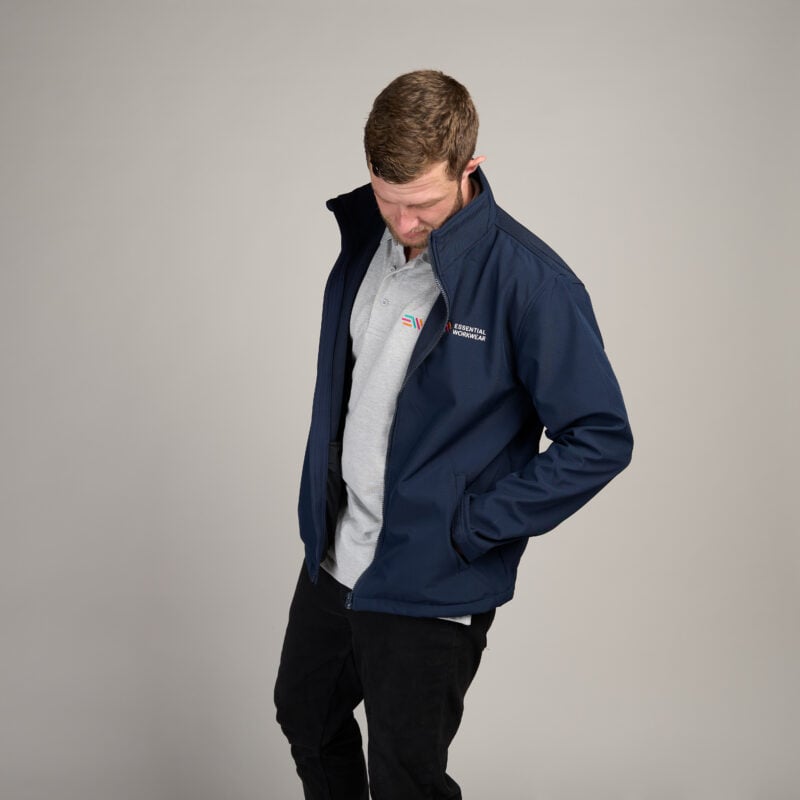
Mid-weight fleeces around 280gsm work well as practical layering pieces without becoming bulky. We recommend these are staple uniform pieces for indoor teams.
Heavier fleeces are often used as standalone outer layers in colder conditions. The warmth of fleece also depends heavily on pile construction and fabric type, not just GSM alone.
Hi-Vis Garments
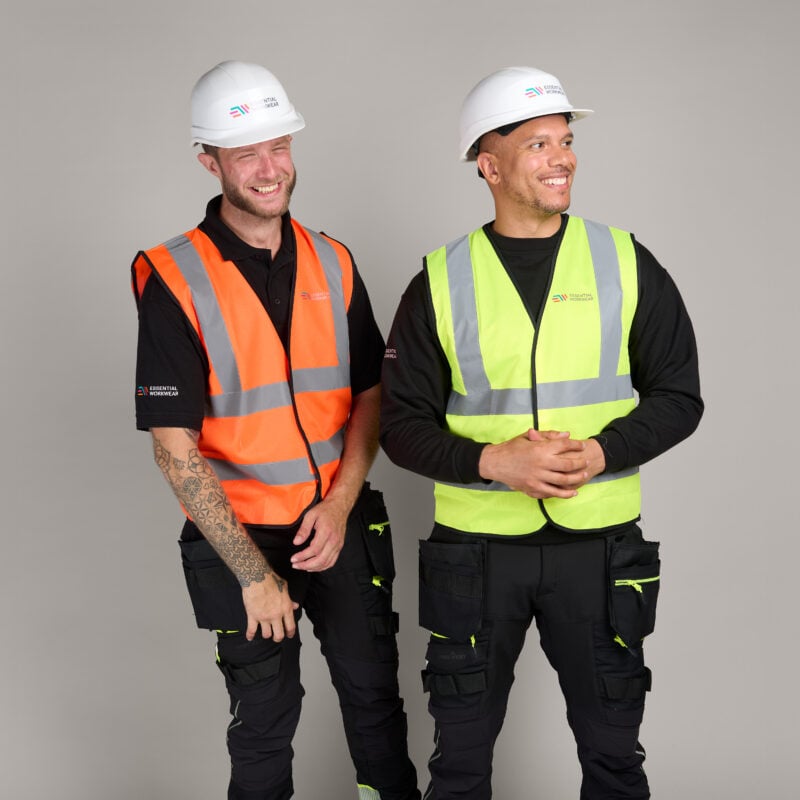
Most hi-vis work garments fall within the 175–200gsm range, balancing comfort with durability and compliance requirements.
Higher workwear GSM can improve durability, but hi-vis performance also depends on reflective tape placement, garment design, and compliance with standards such as EN ISO 20471. So GSM isn’t the only factor to take into consideration when choosing your hi-vis workwear.
You can read our EN ISO 20471 standards guide for more compliance information.
Workwear Trousers
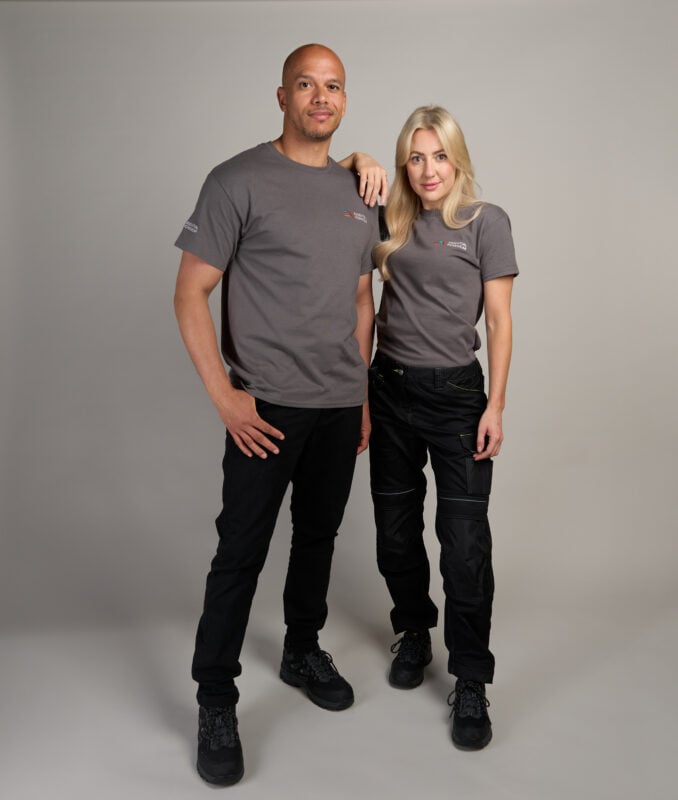
Workwear trousers typically start around 240gsm, with heavy-duty trade trousers reaching 320gsm and above.
Higher GSM fabrics give improved abrasion resistance and durability, making them better suited to construction, engineering, and physically demanding environments.
If you’re looking for standard workwear trousers for your trades teams, we always recommend going for a higher GSM for better protection and performance.
Choosing GSM by Use Case
Wondering what GSM is best for your specific type of team? We’ve covered the best garment weights by industry in this section to make it as easy as possible for you to choose the right custom workwear.
Office and Corporate Environments
Mid-weight branded polos around 200–220gsm are ideal for office uniforms. They maintain structure and appearance well without feeling overly heavy, and hold up to multiple washes.
Hospitality and Front-of-House
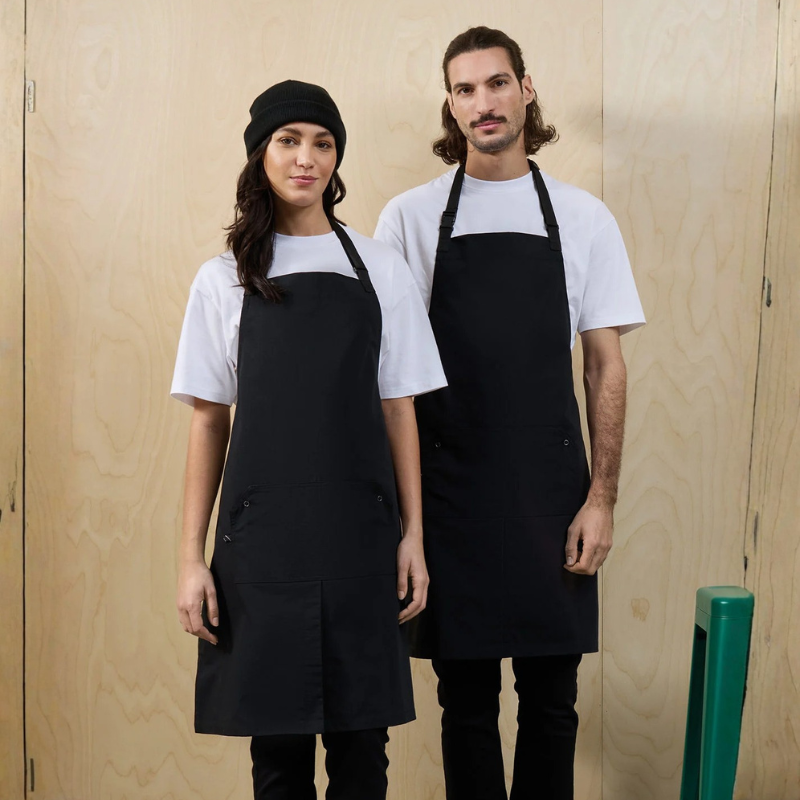
Hospitality uniforms benefit from mid-weight fabrics (180-220gsm) that balance comfort with durability. Frequent washing means appearance retention matters just as much as initial comfort, so avoid anything too lightweight to avoid needless ongoing replacements.
You can read about how we have supported other hospitality clients in our Gusto Case Study.
Trades and Construction
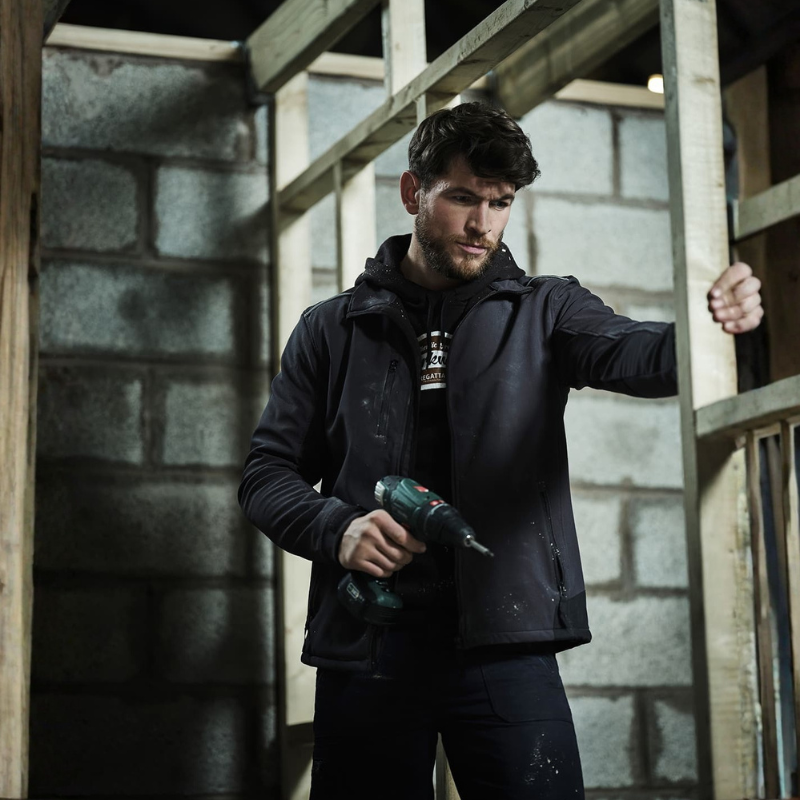
Construction environments benefit from heavyweight fabrics (220-350gsm) across almost every garment type. Heavier custom workwear for trades tends to provide better tear resistance and longer-term durability under demanding conditions. Plus, it’s warmer for colder work environments like construction sites.
Warehouse and Logistics
Warehouse teams often need a mix of mid-weight and heavyweight garments (180-280gsm) depending on whether environments are temperature-controlled or exposed to outdoor conditions.
This is a great time to talk to your team on the ground to see if they’d prefer lightweight GSM t-shirts, slightly heavier mid-weight polos, or heavier sweatshirts.

Outdoor and Seasonal Work
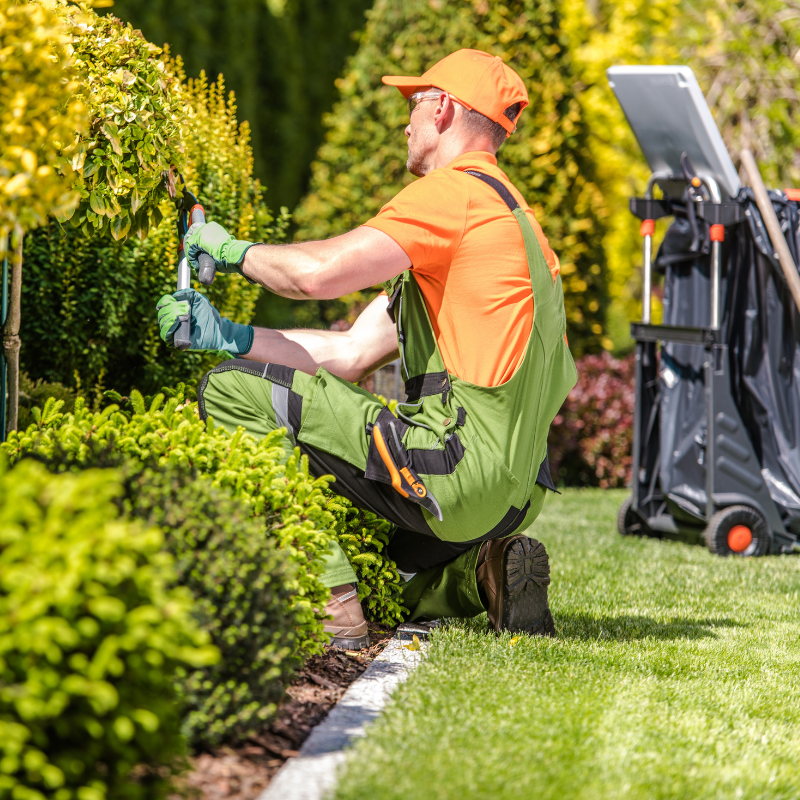
Outdoor workwear works best as a layered system.
- Heavyweight GSM hoodies and outer layers for warmth (280gsm+)
- combined with mid-weight base layers for added flexibility across changing weather conditions. (180-220gsm)
- Optional hi-vis outer layers for protection and compliance.
Head to our workwear layering guide for building effective workwear systems in cold weather.
Promotional and Event Use
For promotional clothing or short-term events, lightweight garments (150-180gsm) are perfect. Breathability, comfort, and lower cost matter more than long-term durability, for short-term events, so lightweight options are the perfect blend of professionalism, comfort, and cost.

Common Workwear GSM Myths and Misconceptions Busted
Myth: Higher GSM Always Means Better Quality
Not necessarily. GSM measures fabric weight, not fabric quality, weave construction, stitching quality, or finishing standards. A well-made 180gsm polo can easily outperform a poorly constructed 240gsm alternative.
Myth: GSM Tells You How Warm a Garment Is
Although GSM in workwear does contribute to the warmth of a garment, it also depends on more than just weight. Fibre type, weave density, fleece construction, and layering all influence insulation. So, a lightweight fleece can sometimes feel warmer than a heavier cotton garment.
Myth: All 220gsm Polos Feel the Same
Fabric blend changes everything. A 220gsm 100% cotton polo will feel completely different from a 220gsm polycotton alternative in terms of softness, moisture management, stretch, and durability.
Myth: GSM Doesn’t Affect Embroidery
This one is partly true. Very lightweight fabrics (especially under 160gsm) can sometimes pucker or show embroidery backing more easily. Heavier garments generally provide a more stable surface for embroidered logos, so they tend to look better and hold up for longer. That said, your logo’s stitch density and design play just as important a role, high-density stitching or intricate detail on a lightweight fabric is far more likely to pucker than a cleaner, well-digitised design with balanced stitch counts. Our team adjusts thread density, backing, and stitch type to suit each garment, so even lighter summer fabrics get a clean, durable finish.
If you’re considering custom embroidery, read our embroidery vs printing vs DTF guide to make sure you choose the right fit for your business.
GSM and Workwear Branding Methods
Different branding methods interact with workwear fabric weights in different ways. If you want your workwear to have custom branding, it’s important to know what fabric weights work best for different methods:
- Embroidery: Works best on garments above 180gsm. Lightweight fabrics can work, but may require stabilising backing.
- DTF printing: Suitable for all GSM ranges, although heavier garments often create a more premium finished feel.
- Screen printing: Works across all weights, though ink absorption can vary depending on fabric composition and density.
If you’re still completely stuck on which GSM and print type is best for your business workwear needs, use our contact form to reach out and our experts will guide you.
Frequently Asked Questions on Workwear GSM
What does GSM mean in workwear?
GSM in workwear stands for grams per square metre. It’s a standardised measurement used to describe fabric weight and allows buyers to compare garments consistently across different brands and garment types. Higher GSM means heavier fabric, but not necessarily better quality.
What is a good GSM for a work polo shirt?
For most workplaces, 200–220gsm polo is considered the ideal range. It balances comfort, durability, and appearance for daily wear and holds up to repeated washing. Heavyweight polos above 240gsm are often preferred in trades and outdoor industries.
Is higher GSM better for workwear?
Not always. Higher GSM workwear fabrics are usually heavier and more durable, but they can also feel warmer and less breathable. The best GSM depends on your specific working environment and intended use.
What GSM is best for hoodies?
Most quality work hoodies fall between 280–350gsm. Mid-weight GSM hoodies suit layering and indoor use, while heavyweight hoodies are better for outdoor work and colder conditions.
What’s the difference between lightweight and heavyweight workwear?
Lightweight workwear prioritises breathability and comfort, while heavyweight workwear focuses more on durability, warmth, and abrasion resistance. Neither is universally better, they simply suit different environments.
Does GSM affect embroidery quality?
Yes, to an extent. Lightweight fabrics can sometimes pucker or distort under dense embroidery, while heavier fabrics tend to hold embroidery more cleanly and consistently. We can use a stabilising backing to support embroidery on lighter weight garments.
Is GSM the same as thickness?
Not exactly. GSM measures fabric weight rather than physical thickness. Two workwear fabrics with the same GSM can feel very different depending on fibre type, weave, and overall construction.
What GSM is best for summer workwear?
For hot environments, lightweight fabrics around 140–180gsm usually provide the best balance of comfort and breathability. Moisture-wicking fabric composition can matter just as much as GSM when it comes to comfort during the warmer months.
Need Help Choosing the Right Workwear Fabric Weight?
Choosing the right GSM for your workwear isn’t just about picking the heaviest option available. The best workwear fabrics depend on your industry, environment, branding requirements, and how the garments will actually be used day to day.
If you’re ordering uniforms for a larger workforce, you can request a corporate accounts for businesses with 50+ employees to streamline repeat ordering, branding, and uniform management across your team.
Need smaller quantities instead? No problem! Whether you’re a sole contractor, small business, or just ordering for a handful of staff, our team can still help you choose the right workwear fabrics, garment types, and branding options for your needs. Shop online throughout our website or get in touch with our friendly team for expert advice tailored to your business.