

Categories
Budget vs Expensive Workwear: What to Spend More On and Where to Save
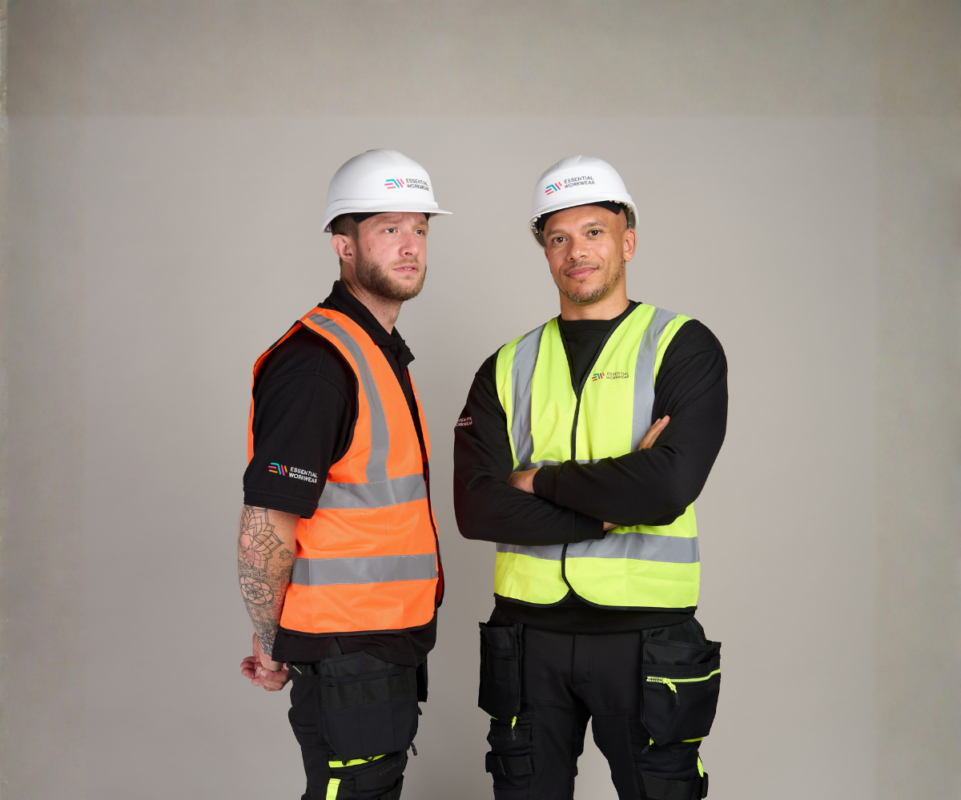
When comparing budget vs expensive workwear, spend more where failure costs you money or safety, and save where garments are replaced regularly anyway.
It’s tempting to assume the cheapest option is best value, but two polo shirts that look identical on day one rarely age the same way. Months later one still looks smart while the other has faded and stretched, that’s where the real cost of cheap workwear shows up.
As a rule, pay more when a garment protects workers, faces harsh weather, or takes heavy daily wear.
Spend more on:
- Safety footwear — comfort and protection over long shifts; cheap boots fail fast and cause complaints
- Hi-vis clothing — certification and wash durability matter; faded hi-vis stops being compliant
- Waterproofs — genuine waterproofing and taped seams, not just a shower-resistant coating
- Work trousers — knee, seam and pocket reinforcement takes the most abuse
- PPE — independently tested certification is non-negotiable
Save on:
- T-shirts, polo shirts and hoodies — non-safety items on a regular replacement cycle
- Corporate uniforms in low-wear roles — office, reception and light-duty staff
- Anything you’ll re-brand within 12 months — new logo, new colours, new supplier
The measure that matters isn’t purchase price, it’s cost per wear: purchase price ÷ the number of wears you’ll get out of it. A £30 boot that lasts two years beats a £15 boot replaced every four months.
From Our Workwear Experts:
“One of the biggest mistakes we see businesses make is treating every garment the same. You don’t need premium everything, but you shouldn’t compromise on the items your team relies on for safety or wears hardest. Investing in quality footwear, work trousers and certified PPE usually saves money over time because those are the garments that take the most punishment.”
– Louis Georgiou, Operations Director.
Where Does Budget Workwear Work Well?
T-Shirts
Budget workwear is a sensible choice for garments that aren’t safety-critical, don’t face heavy daily wear and are likely to be replaced as part of a normal uniform refresh. For these items, paying significantly more won’t give you any ROI, so affordability is the goal.
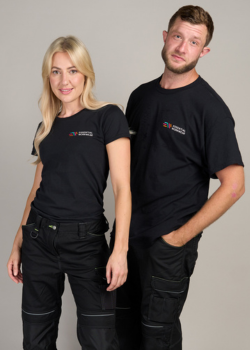
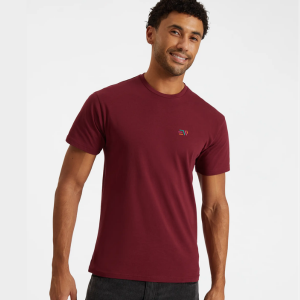
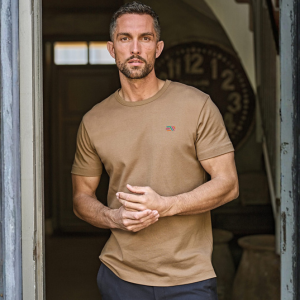
Workwear T-shirts are one of the easiest places to save money. They’re often worn as a base layer, replaced regularly and can be bought in larger quantities for your staff. A quality cotton or cotton-polyester blend provides enough comfort and durability for most indoor workplaces without stretching the budget unnecessarily.
For everyday business use, we always recommend a fabric weight of around 180-220 GSM, which offers a good balance between comfort and durability. Heavier fabrics can feel more substantial, but for many teams they offer little practical advantage if the shirts are replaced every year or two anyway.
We often find that our clients prefer the lighter-weight fabrics in offices and even warehouses where they can be used as a base layer alongside a branded workwear jacket.
Polo Shirts
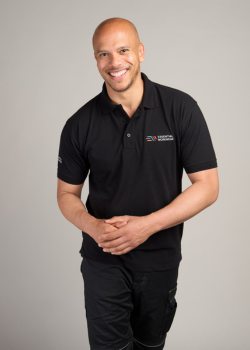
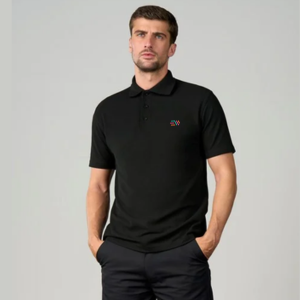
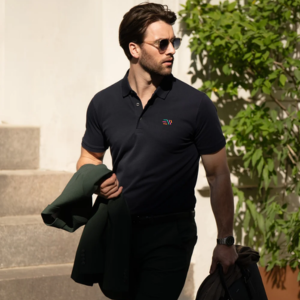
Branded polo shirts are one of our top sellers for uniforms because they create a smart, professional appearance without the cost of more specialist garments. They’re ideal for retail staff, hospitality teams, office environments and customer-facing roles where presentation matters more than heavy-duty performance.
A well-made budget polo with a mid-weight fabric is perfect, particularly when embroidered with a company logo. Unless staff are working outdoors every day or washing their uniforms exceptionally frequently, premium fabrics will give little added value over our affordable range of polos.
Sweatshirts and Hoodies
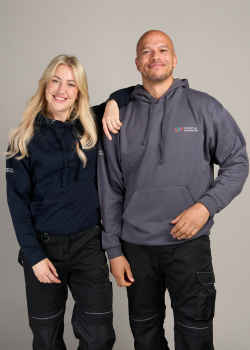
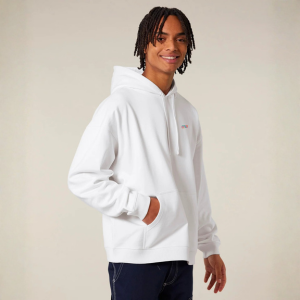
Our clients are surprised when we recommend budget sweatshirts and hoodies, since these can take more heavy-duty use. However, they’re commonly used as casual outer layers in warehouses, workshops, delivery fleets and promo events, where warmth and comfort are the priority.
Our range of workwear hoodies and sweatshirts are well constructed and made from a durable fabric blend, so you really won’t notice a significant performance difference between a good budget hoodie and a far more expensive alternative. Spending more is usually only worthwhile if garments are subjected to frequent industrial laundering or particularly demanding working conditions.
Choosing budget-friendly basics like t-shirts, polos and hoodies frees up more of your uniform budget for the garments that genuinely affect worker safety, comfort and long-term durability. That’s where investing more will have the biggest impact.

Is Expensive Workwear Worth It?
Not every piece of workwear needs to be premium, but some items are well worth the extra investment. If a garment helps keep workers safe, protects them from the weather or has to cope with high demands of everyday wear, paying more often pays off in the long run.
That’s because you’re not just paying for a better-looking garment. Premium workwear is typically made from stronger materials, built to last longer and designed to stay comfortable throughout a full working day. For safety clothing and PPE, you’re also paying for independently tested protection that meets the relevant safety standards.
As a simple rule, if a garment is safety-critical, exposed to the elements or worn hard every day, it’s worth spending more.
Safety Footwear
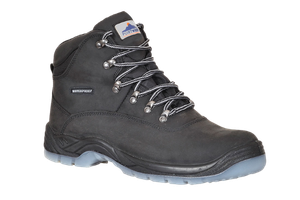
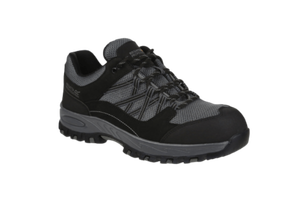
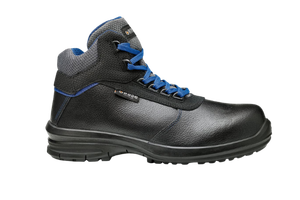
Safety boots are one of the clearest examples of where cutting costs can become a false economy. Workers spend hours on their feet every day, so comfort is just as important as protection. Better-quality work boots provide improved cushioning, support and breathability to reduce fatigue over the course of a long shift.
Premium footwear is also typically built to withstand tougher conditions, meaning soles, stitching and protective toe caps are less likely to fail. Considering the role safety boots play in preventing workplace injuries, this is never an area worth compromising on.
Safety Footwear Top Picks:
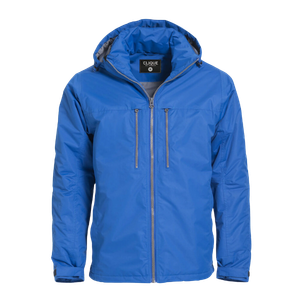
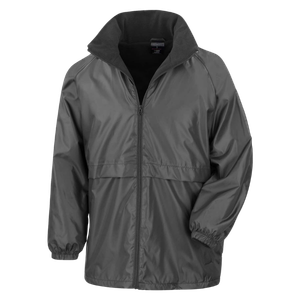
Waterproof Jackets and Outer Layers
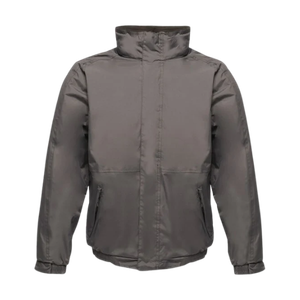
A waterproof jacket that leaks after a few weeks isn’t much use to anyone working outdoors. Higher-quality jackets use more effective waterproof membranes, taped seams and breathable fabrics that keep rain out while allowing heat and moisture to escape.
For staff working through the British winter, this makes a noticeable difference to productivity and wellbeing. For our clients, a jacket that lasts years delivers far better value than replacing a cheaper alternative every season.
Waterproof Jackets and Outer Layers Top Picks:
Work Trousers
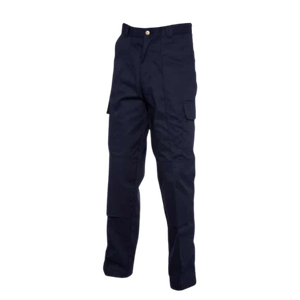
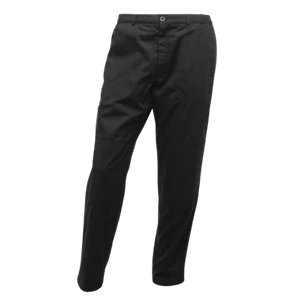
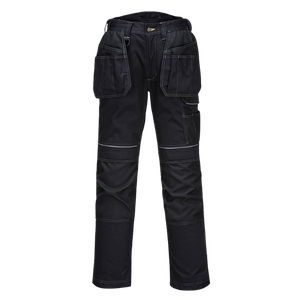
Work trousers take more punishment than almost any other garment. Regular kneeling, climbing, carrying tools and working on rough surfaces quickly exposes weaknesses in cheaper designs.
By contrast, premium workwear trousers include reinforced knee-pad pockets, stronger stitching and hard-wearing fabrics such as ripstop or Cordura® panels in high-wear areas. These features help prevent tears and extend the garment’s lifespan, which means fewer replacements to keep your team covered.
Work Trousers Top Picks:
Hi-Vis Workwear
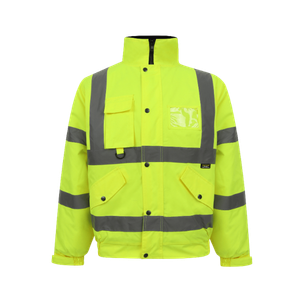
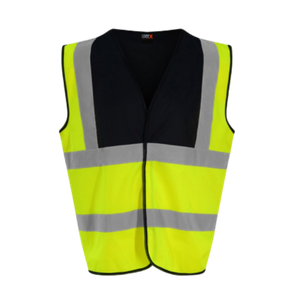
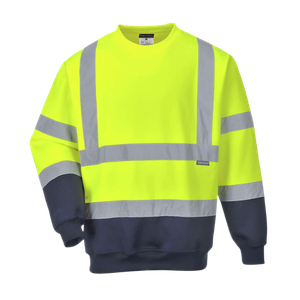
High visibility workwear isn’t just about being bright enough to see. It must also continue meeting the required safety standards throughout its working life.
Garments certified to EN ISO 20471 are designed to provide the visibility required for different workplace environments. Higher-quality hi-vis clothing retains its fluorescent colour and reflective tape for longer, even after repeated washing, helping businesses maintain compliance without replacing them as frequently.
Hi-Vis Workwear Top Picks:
Safety Gloves and PPE
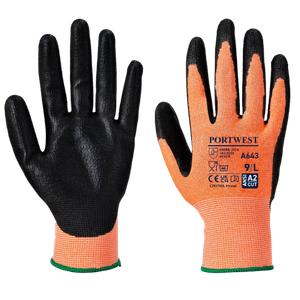
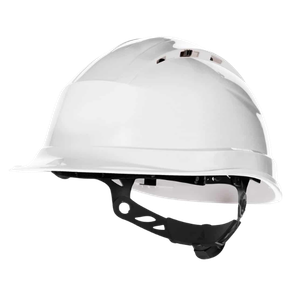
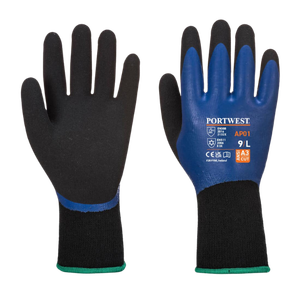
Personal protective equipment should always be selected based on the hazards your workers face, not simply the purchase price. Whether protection is needed against cuts, impacts, chemicals or other workplace risks, the relevant EN certification is far more important than finding the cheapest workwear available.
Using under-specified PPE increases the risk of injury and may leave employers falling short of their health and safety responsibilities. In this area, investing in certified, fit-for-purpose equipment is an investment in both worker safety and legal compliance.
When it comes to premium workwear, the extra cost should always buy something meaningful. If it improves protection, lasts significantly longer or helps workers stay comfortable throughout the day, it will prove to be the better value choice over the lifetime of the garment.
Safety Gloves and PPE Top Picks:
Why Does Premium Workwear Cost More?
One of the biggest misconceptions is that premium workwear costs more simply because of the brand name. In reality, higher prices reflect better materials, stronger construction and more rigorous product testing.
Depending on the garment, you’re paying for features such as:
- Heavier fabrics
- Reinforced stitching
- Abrasion-resistant panels
- Waterproof membranes
- Higher-quality zips
- Longer-lasting trims
For safety clothing, the price also includes independent testing to ensure garments meet the relevant EN standards.
Premium garments are designed to stay comfortable after repeated washing, retain their shape for longer and withstand demanding working conditions. While these improvements increase the purchase price, they reduce replacement costs over the life of the garment.
What Are the Hidden Costs of Cheap Workwear?
Cheap workwear can seem like the obvious way to reduce costs, especially when you’re buying uniforms for an entire team. However, the purchase price only tells part of the story when it comes to budget vs expensive workwear. If garments need replacing sooner, fail on the job or no longer present your business professionally, the long-term cost can quickly outweigh the initial saving.
More Frequent Replacement
Lower-priced garments are made with lighter fabrics, less durable stitching and fewer reinforcements, which is why they come at a budget price. While this isn’t always a problem for basic clothing, heavily used items can wear out much sooner, meaning you’re buying replacements more often. Over time, repeatedly replacing cheaper garments will cost more than investing in better-quality workwear from the start.
Downtime and Disruption
When workwear fails during a shift, it’s more than an inconvenience. Torn trousers, leaking waterproofs or worn-out safety footwear will delay jobs and leave employees without suitable clothing until replacements arrive. These disruptions may be minor individually, but they can add up across a larger workforce.
Rebranding Costs
Every replacement budget workwear garment needs your company logo added again. Whether you choose embroidery or printing, decorating replacement uniforms carries an additional cost beyond simply buying new clothing. Businesses with large teams end up needlessly paying for branding multiple times when garments wear out prematurely, even though the branding holds up far longer than the garment itself.
Safety and Compliance Risks
For PPE and certified workwear, choosing the cheapest option can create risks beyond replacement costs. Hi-vis clothing, safety footwear and protective gloves must meet the relevant safety standards for the job. If garments lose their protective qualities quickly or don’t provide the required level of performance, you need to replace them promptly to remain compliant and keep workers protected. The last thing you want is an injury because budget workwear didn’t do the job it promised.
Your Company’s Professional Image
Workwear is the first thing customers notice, especially when it’s branded. Faded colours, stretched collars, peeling logos and worn fabrics make an otherwise professional business look less reliable. Smart, well-maintained uniforms help clients feel confident in your brand, particularly for customer-facing teams.
When comparing cheap vs expensive workwear, it’s important to consider how long each garment is likely to last rather than focusing on the purchase price alone. The cheapest garment isn’t always the most economical choice. Looking beyond the price tag and considering how long an item lasts, how well it performs and what it costs to replace gives a much clearer picture of its true value.
What Is Cost Per Wear, and How Do You Use It to Compare Workwear?
The best way to compare budget and premium workwear is by looking at cost per wear. This simple calculation shows how much each use of a garment actually costs, so you can see which option delivers better long-term value.
Cost per wear = Purchase price ÷ Number of wears
A garment with a higher upfront cost can often work out cheaper if it lasts significantly longer than a budget alternative.
For example:
| Garment | Purchase Price | Estimated Lifespan | Cost Per Wear |
| Budget waterproof jacket | £25 | 100 wears | 25p per wear |
| Premium waterproof jacket | £70 | 400 wears | 17.5p per wear |
Although the premium jacket costs almost three times as much initially, it lasts around four times longer. That means each day it’s worn actually costs less, while also providing better comfort and protection throughout its lifespan.
Cost per wear becomes even more valuable when you’re buying uniforms for an entire team. A saving of just a few pence per wear across dozens of employees adds up over the course of several years, while reducing the time spent replacing worn-out garments.
From Our Workwear Experts:
“When customers ask us how to reduce their workwear budget, we rarely recommend buying the cheapest products across the board. Instead, we help them balance premium and budget garments based on how each item is actually used. Looking at cost per wear rather than purchase price almost always leads to better long-term value.”
– Louis Georgiou, Operations Director.
Budget vs Expensive Workwear at a Glance
Choosing where to spend and where to save doesn’t have to be complicated. As a general rule, invest in garments that protect workers or take heavy daily wear, and save on everyday uniform basics where durability and safety matter less. The table below shows where each applies.
| Workwear Item | Budget Is Fine When… | Spend More When… | Key Feature to Check |
| T-shirts | Indoor work, everyday uniforms, high-rotation clothing | Heavy outdoor work or demanding environments | Fabric weight (GSM) and fabric blend |
| Polo shirts | Office staff, retail, hospitality and front-of-house roles | Frequent washing or physically demanding work | GSM, colourfastness and stitching |
| Sweatshirts & Hoodies | Casual layers, warehouses and occasional outdoor use | Daily heavy use or abrasive working conditions | Fabric quality and reinforced seams |
| Work Trousers | Light-duty work and occasional wear | Trades, construction, engineering and frequent kneeling | Reinforced knees, ripstop or Cordura® panels |
| Hi-Vis Clothing | Visitor garments or occasional use | Daily site work, roadside work or repeated laundering | EN ISO 20471 certification and wash durability |
| Waterproof Jackets | Infrequent outdoor use | Regular outdoor work in wet weather | Waterproof membrane, taped seams and breathability |
| Safety Footwear | Rarely. Protection should always take priority | Any role requiring protective footwear | Safety rating, comfort and durability |
| Safety Gloves & PPE | Never where certified protection is required | Any cut, impact, chemical or workplace hazard | Correct EN certification for the task |
No single approach suits every business, though. A company fitting out office staff has very different priorities from a construction firm or utilities contractor, so the right mix depends on your industry and how hard each garment works. In practice, most teams get the best value by pairing the two — premium work trousers and safety boots alongside budget polo shirts or t-shirts, for example, controls costs without compromising protection.
If you’re managing uniforms across a growing team, our corporate account portal makes it easier to keep orders consistent and secure the best price on branded workwear.
Build a Smarter Workwear Budget With Essential Workwear
Whether you’re outfitting a small team or managing uniforms across multiple sites, the goal is the same: a uniform that lasts, keeps people safe and still represents your business well. Getting there is less about the price on the label and more about matching each garment to the job it does.
That’s where it helps to talk to a team that fits out businesses like yours every day. Get in touch today for expert advice on the right workwear for your team, or a quick, free quote for your uniforms.
Frequently Asked Questions About Budget vs Expensive Workwear
Is expensive workwear always better?
More expensive workwear isn’t automatically the better choice. Premium garments are usually worth the investment when they’re safety-critical, exposed to harsh weather or expected to withstand heavy daily use. For everyday items such as T-shirts, polo shirts and hoodies worn in lower-risk environments, a good-quality budget option provides excellent value without compromising comfort or appearance.
Is cheap workwear worth buying?
Yes, provided it’s used in the right situations. Budget workwear is ideal for non-certified garments, high-rotation uniforms and roles where clothing isn’t subjected to excessive wear. The key is matching the garment to the job rather than simply choosing the lowest price across every item.
Should I spend more on branded workwear?
Focus on the quality of the garment first, then think about the branding. Even the best embroidery or print can’t prevent a poor-quality garment from fading, shrinking or wearing out. Investing in durable clothing from Essential Workwear means your branded uniforms continue looking professional for longer, reducing the need for replacements.
How can I save money when buying workwear for a team?
The most cost-effective approach is to mix budget and premium garments. Save money on everyday basics such as T-shirts and polo shirts, while investing more in safety footwear, waterproof clothing, work trousers and certified PPE. Buying in larger quantities, standardising your uniform range and comparing garments using cost per wear rather than purchase price will also help reduce long-term costs.
Does branded workwear cost much more than plain workwear?
Adding embroidery or printing increases the cost of a garment, but the difference is often relatively small compared with the value it adds to your business. Branded workwear helps create a professional appearance, promotes your company and makes employees easy to identify. Choosing durable garments also means your branding lasts longer, helping you get the most from your investment.